- Download our Moving to Dublin Guide (PDF)
For many parents, the prospect of organising education and schools in Dublin for their children can be daunting. However, it should come as some comfort that almost all public schools in Ireland teach in English and that all children in Ireland have the right to free education, including your children.
That said, many expats still prefer to enrol their children in one of Dublin's international schools so that they can continue with their home curriculum.
Read more about Education and Schools in Ireland.
Preschools and childcare in Dublin
As compulsory primary education only starts at the age of 6, your child is not required to attend preschool in Ireland. The minimum age for preschool is four years old. Primary schools often offer preschool education in the form of 'infant classes' for children aged 4 and 5.
Childcare in Dublin is widely available but often comes at a high cost. To ease your expenses, the government has introduced the Early Childhood Care and Education (ECCE) Scheme. This provides free preschool education and childcare at certain approved centres. If you opt not to use the ECCE Scheme, you will be subject to the full cost of fees.
When choosing a preschool or childcare centre in Dublin, consider factors such as quality and reputation, location and accessibility, curriculum and educational approach, facilities and amenities, staff and teacher qualifications and cost and financial assistance. For example, centres like Bright Horizons at Dublin offer a Montessori-based curriculum and robust safety measures.
Useful links
Primary schools in Dublin
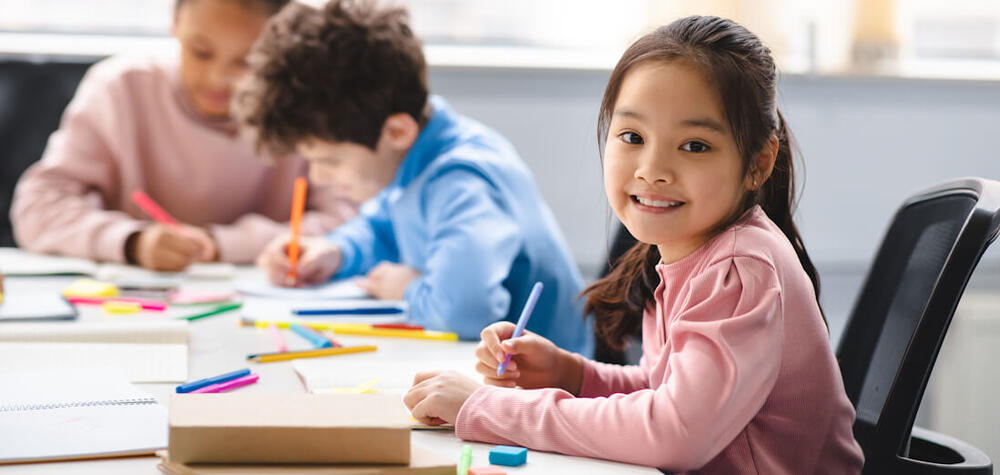
Irish children usually attend primary school from the age of 6 to 12. Each year of school is numbered upwards, from Class 1 to Class 6. The class size of primary schools in Ireland is a concern for many parents, as it often leads to overcrowded learning environments.
Large class sizes are directly related to funding shortages in the education sector. You can get around issues with class sizes by finding smaller local schools or specialised schools that focus on a particular core subject area. For instance, some schools in Dublin focus on Science, Technology, Engineering, Arts and Mathematics (STEAM) education, providing a holistic learning experience.
To find a suitable primary school, you can use online directories, ask for local recommendations or explore schools that offer specialised programmes like Montessori education. Websites like Early Childhood Ireland and the Department of Education provide helpful resources for researching primary schools.
Public schools in Dublin
Public schooling in Dublin is of an excellent standard. By law, any child in Dublin can attend a state-funded school regardless of their visa status, and they can do so for free. In practice, finding a state school in Dublin can be more difficult than it appears on paper. Many of the schools in Dublin are full, with little space for new enrolments.
When a school has reached its capacity, the remaining children are put on waiting lists. While the Education (Admission to Schools) Act 2018 has banned using a first-come, first-served basis for school admissions, schools must now follow their published admissions policies. These policies may prioritise factors such as proximity to the school, siblings already attending, and staff members' children.
To improve your child's chances of getting into a preferred school, apply as early as possible, understand the admissions policy and provide all required documentation. If your preferred school is full, consider other state-funded schools in your area.
It is highly recommended that you contact local schools before arriving if you have decided on an area to live in.
Useful links
Private schools in Dublin
Dublin is home to the highest number of private schools in Ireland. These schools are privately funded and therefore aren't subject to state controls. Many are single-sex schools with religious affiliations and boarding facilities are often available.
Private schools offer more flexibility in their curriculum and can be more selective in their admissions process. They often have better facilities and resources, such as smaller class sizes, specialised programmes and extensive extracurricular activities.
Boarding schools like Blackrock College provide a comprehensive educational experience with students living on campus and participating in various activities. The boarding facilities offer a safe and structured environment with 24-hour supervision and support.
If you are on a budget, be aware that private schools can be costly. Besides tuition fees, expect to pay for uniforms, books, field trips, meals and possibly transport.
International schools in Dublin
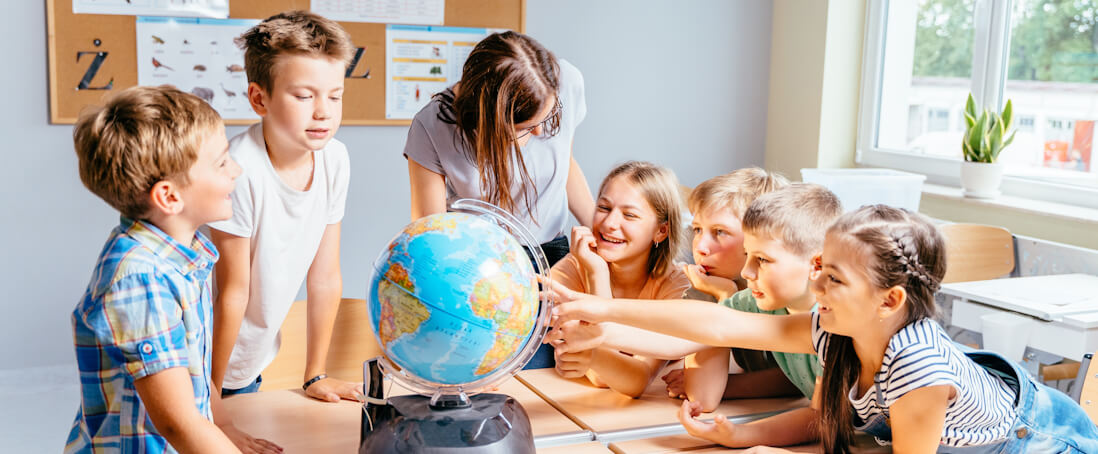
Many expats choose to have their children continue with the curriculum from their home country in one of the many excellent international schools in Dublin. These schools offer top-rate education and follow internationally recognised curricula like the International Baccalaureate (IB) or the International General Certificate of Secondary Education (IGCSE). This makes transitioning between countries easier and helps with university admissions globally.
International schools in Dublin provide a diverse, multilingual and multicultural environment, helping students develop global perspectives and language skills. They often have strong university counselling programmes, guiding students through the application process for universities worldwide, including in your home country. Additionally, they offer a wide range of extracurricular activities, which help students develop well-rounded skills and interests.
These schools usually have long waiting lists, so applying as soon as possible is advisable. For families who move unexpectedly to Dublin, your children can attend public school while waiting to enrol in an international school.
To improve your chances of acceptance, apply early, highlight your child's achievements and attend open house events. Prepare for entrance exams and tailor your application to showcase your child's unique qualities and alignment with the school's values.
Useful links
Tertiary education in Dublin
For a relatively small city, Dublin has a great range of universities and colleges covering every conceivable course. You can choose from the historical Trinity College or more newly established colleges like Griffith College. While the prestige of attending Trinity might seem attractive, Dublin has many prestigious colleges and universities on offer. Be sure to explore your options thoroughly before making a decision.
Consider factors like academic programmes, campus life, tuition fees and student support services when choosing a university. Look into the university's reputation, facilities and employability rates of graduates. Many universities offer strong alumni networks, which can be valuable for career opportunities.
Some expats with ties to the EEA may be eligible for the Free Fees Initiative. This programme covers the tuition fees for eligible full-time undergraduate students. To qualify, you must be an EU/EEA/Swiss national or have a specific immigration status and meet residency requirements. You will still need to pay a student contribution charge.
Non-EU nationals face higher tuition fees, but these can be manageable compared to fees in other countries like the United States. Scholarships and financial aid programmes may be available, so research these options thoroughly to plan your finances.
Special-needs education in Dublin
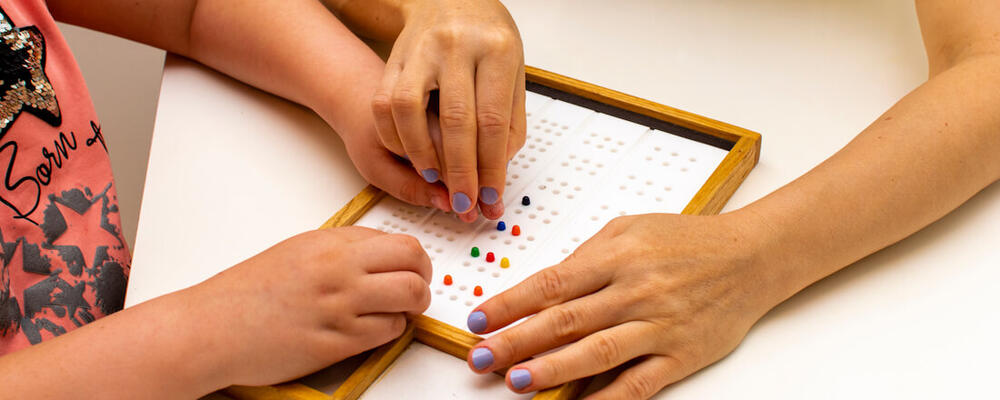
All children in Ireland with disabilities and children with special needs have the constitutional right to free education up to the age of 18. The Irish policy is to provide special-needs education in mainstream schools as far as possible and to educate those children with special needs in an inclusive setting. Other options are considered when it's not in your child's best interests or if it could hinder the provision of education for other children in mainstream schools.
Dublin offers a variety of special-needs schools to cater to the diverse needs of children. Special national schools provide education specifically for children with moderate to severe intellectual disabilities. Examples include St. Vincent's Special National School and Abacas Special School Kilbarrack. There are also special schools focusing on specific needs such as autism and physical disabilities, like Setanta Special School and St. Michael's House Special National Schools.
Many mainstream schools in Dublin have special classes or units that provide additional support for children with special needs. These schools can also receive funding for resource teachers and special-needs assistants to support children in the classroom.
The decision on whether your child should be educated in a mainstream or special school depends on factors like the severity of their needs, their ability to participate in the curriculum and the availability of support in mainstream schools. Parental preference is also considered in the placement process.
Useful links
- Department of Education: Support for Pupils with Special Needs
- National Council for Special Education
Tutors in Dublin
Children arriving in a new city are often daunted by the uncertainty and unfamiliarity of new surroundings and they stand to benefit a great deal from a dedicated tutor who could not only educate them academically but also provide a helping hand in settling in and building some confidence. Your children who aren’t fluent in English will find particular value in an English language tutor.
Dublin has a huge array of tutors to choose from, specialising in various subjects and age groups. Look for tutors with relevant teaching qualifications, experience and a track record of success. Ensure the tutor's teaching style aligns with your child's learning needs. Consider their availability and ability to fit your child's schedule.
A tutor can help your child adjust to a new educational environment by familiarising them with the curriculum, developing study skills, providing emotional support, bridging learning gaps and enhancing their confidence. Common subjects for tutoring include mathematics, English, science, humanities and foreign languages. Tutors cater to various age groups, from primary school to university level.