
- Download our Moving to London Guide (PDF)
Getting around in London, a super-developed world-class metro with immense infrastructure and extensive transport systems, is relatively easy. The city is one of the few large metros in which having a car is wholly unnecessary for most residents.
While cars can be useful if you're living on the outskirts of London or have young children, most locals rely exclusively on public transport and taxis for getting around the sprawling UK capital.
It's also relatively easy to get from A to B on foot, and sometimes it's even easier to walk between places than hopping on and off the Tube.
With a profusion of public transport options, learning to navigate the streets and circles of the city might be tricky at first, but once settled, you should find it fairly easy to travel around London.
Public transport in London
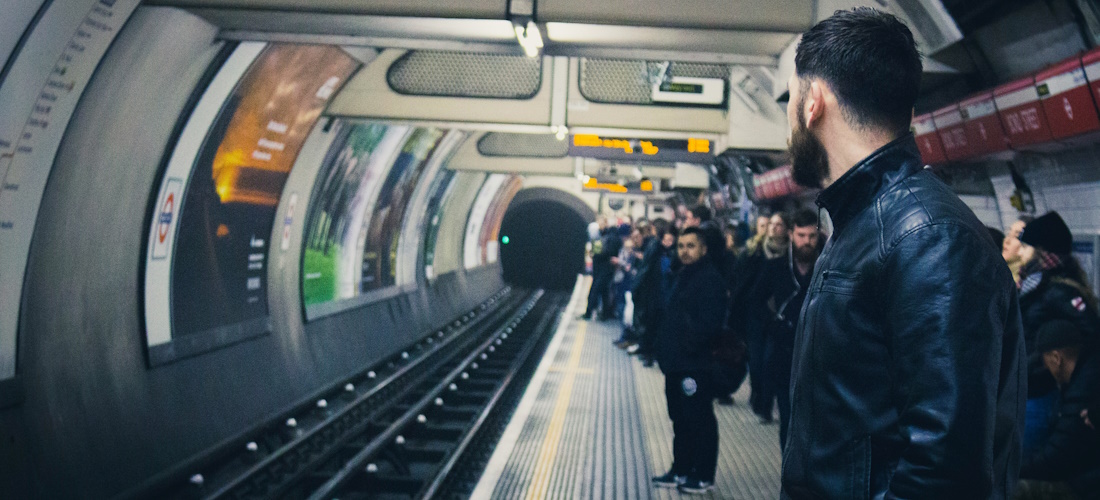
Most of the public transport network in London is managed by Transport for London (TfL). The city is divided into nine zones. Zone 1 and Zone 2 are considered Central London, with Zones 3 to 9 forming rings around this core.
In general, taking public transport in London – no matter which option – will be cheaper, and often faster, than using a taxi or driving. There are downsides, though, as London locals know. While trains and buses are mostly clean and comfortable, they can become unbearably crowded during rush hour.
London’s public transport network includes the Tube (also known as the Underground), overground trains, the Docklands Light Railway (DLR), trams, and buses. You can also hop onto a public riverboat on the Thames.
Oyster cards
Public transport in London has an integrated ticketing system. While it is still possible to get paper tickets, it is recommended to buy an Oyster card instead. This plastic smartcard allows you to load tickets daily, weekly, monthly, or annually, or on a pay-as-you-go basis. It's also usually the cheapest way to pay for single journeys and is valid on almost all forms of public transport throughout London. You can buy or top up Oyster cards at any tube station, most newsagents, and online.
All tube stations have automatic ticket barriers, and those travelling with an Oyster card simply tap the card against the yellow pad at the beginning and end of the journey.
Another advantage of the Oyster card is that your credit and card are protected. If you report an Oyster card lost or stolen, Transport for London can block it to prevent anyone else from using it. That said, it's important to register the card online so that in the event of it being lost or stolen, you can claim a refund on the remaining credit.
Tube
London is home to the world’s oldest underground rail network. The London Underground system comprises 11 lines and more than 270 stations, making travelling anywhere in the metropolis quick and easy. The Tube generally runs from around 5am to midnight. There is also a 24-hour service operating on Fridays and Saturdays on several lines.
Although the Tube is often the quickest way to travel in London, it gets very crowded during morning and evening rush hours (7am to 9am and 5.30pm to 7pm). The Tube also gets incredibly hot and stuffy during the summer, so it's worth carrying a bottle of water.
Bus
Buses can be a quick and efficient mode of transport for travelling short distances or outside central London. It can also be a good alternative for those who want to see more of the city.
London has an extensive bus network with more than 700 routes, and each bus stop has a sign listing the routes. Bus routes are identified by a number and sometimes letters, and buses display the route number at the front, side, and rear. They also have their location and direction of travel on them.
To complement regular daytime service, there are a number of night-bus routes across the city. Night bus routes are marked by an 'N' preceding the bus number.
Docklands Light Railway
The Docklands Light Railway (DLR) is a dedicated light-rail network that operates in East London and connects with the Tube network at several stops. The DLR operates on a driverless system.
Train
The British railway system is known as National Rail. London’s suburban rail services are operated by several private companies, and there is no single central station in London. Instead, there are several mainline stations dotted on the edges of the central areas.
National Rail services are especially useful for those commuting into London from outlying areas.
Overground
Overground services can be a useful shortcut for crossing the city or can be used to travel further out than Tube services go. London Overground is part of the National Rail system, but is operated by Transport for London, meaning Oyster cards and National Rail tickets are accepted throughout the network.
Tram
London's tram network (Tramlink) centres on Croydon and surrounds and links up with a number of train and Tube services. Trams are fairly frequent and arrive every few minutes.
Boat
London has a number of river bus services along the Thames. Uber Boat by Thames Clippers manages regular commuter boats and a network of piers along the river.
While boats can be slow and a little more expensive than the Tube, they're a pleasant transport alternative within the city, with unrivalled views of the London skyline.
Useful links
Taxis in London
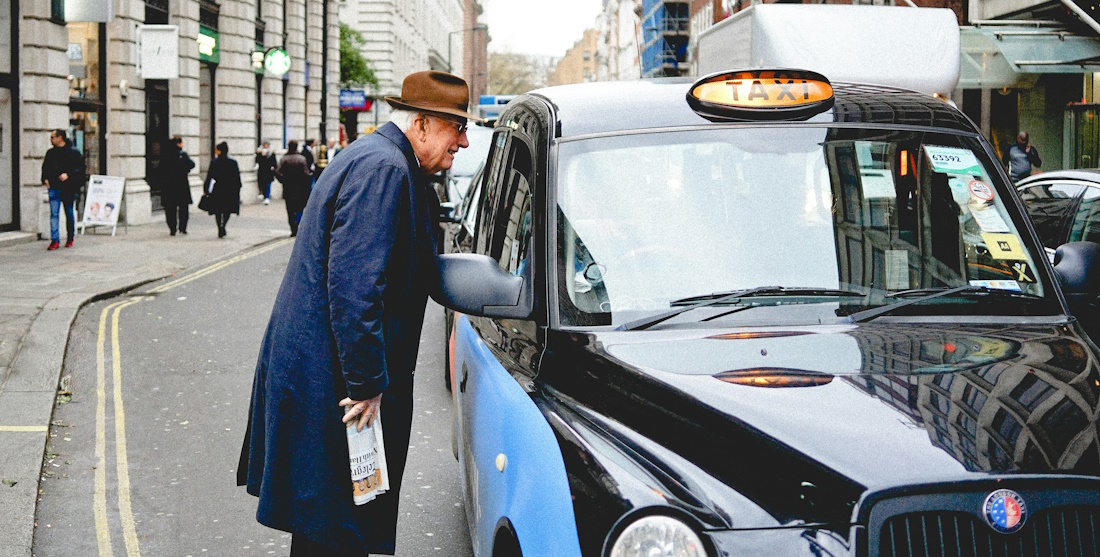
Taxis are a convenient way to travel around central London, but they're best used for short journeys – otherwise, fares can become costly. They only become an economical means of transport when shared by a number of people going to the same destination.
London has two types of taxis: the famous black cabs and minicabs. Black cabs are the only type that can legally be hailed off the street. Available cabs have a lit-up yellow 'taxi' sign on their roof. They can also be found at designated ranks throughout the city.
Licensed minicabs can only be pre-booked and will not pick up passengers from the street, although unlicensed minicabs might. Unlicensed minicabs can be unsafe, however, and are not recommended.
Ride-hailing applications are also an option and can be cheaper than black cabs. Uber has had continued legal battles with Transport for London, but continues to operate. Other ride-hailing apps, such as Bolt, are also available.
Useful links
Driving in London
Most Londoners avoid driving, especially in the centre of town, and it is a good idea to follow their example. That said, if you live south of the river or outside of Zone 2, or if you have children, you may choose to own a car.
Driving into central London on weekdays during daylight hours incurs a congestion charge. Drivers who don't pay this charge are fined. Parking in central London can also be a problem. It's difficult to find parking, and fees are expensive. Parking restrictions are stringently enforced, and fines are hefty.
Driver's licences
You can drive in London on a foreign driver's licence for one year, after which you'll need to exchange it for a UK licence. EU citizens have it a bit easier – EU licences are valid in the UK until they expire.
Transport and Driving in the UK
Cycling and walking in London
In recent years, there has been a concerted effort to make London more cycle friendly, and Transport for London operates a city-wide bicycle hire scheme. Fees are low, making cycling accessible and enjoyable.
Using an app, you can hire a bike from one of the many automated docking stations dotted around the city. Contactless bank cards can also be used, making the process even easier. Cycle routes in London are known as Cycleways and are constantly being expanded.
Non-folding bikes can only be taken onto limited sections of certain types of public transport outside of peak hours. Non-folding bikes can't be taken onto buses at all. For this reason, folding bicycles have become more popular in London.
Whenever it is possible, walk. It is the best way to see the city, and central London is exceedingly easy to tackle on foot. Just remember to keep an eye on the traffic.