
Finding the right kind of accommodation in Mumbai, whether you’re driven by budget, taste, or practicality, can be a real challenge. The bustling financial capital of India is famous for its prolific film industry, heavy rains, and cricket fanaticism, but it’s also notorious for being one of the country’s most expensive real estate markets, both in terms of buying and renting.
Unless you’re planning to settle in Mumbai for the long haul, you’ll likely choose to rent rather than buy property. The rental market here can be challenging, with prices increasing by an average of 10 percent year on year. For this reason, it's vital to go in with a firm budget in mind. A good rule of thumb is to spend no more than a third of your salary on rent.
Read on to find out how best to approach Mumbai's mammoth rental market.
Areas and suburbs in Mumbai
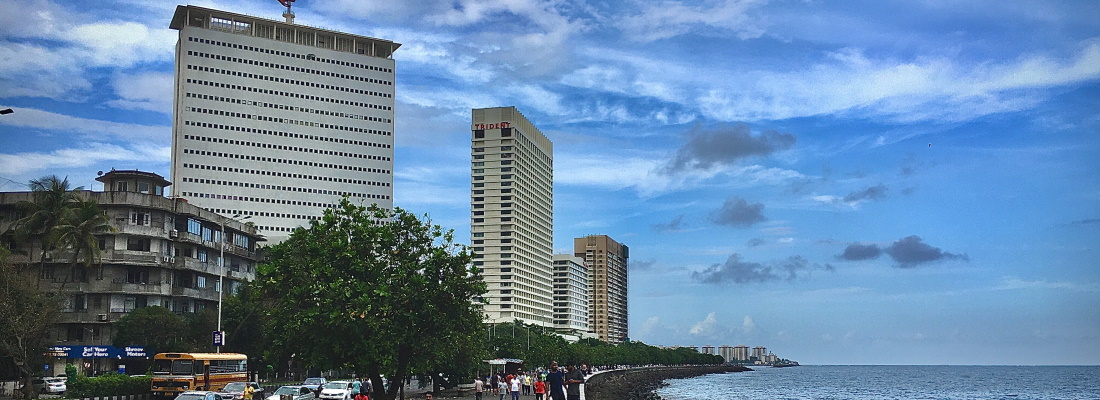
Mumbai has a wide variety of neighbourhoods and suburbs, each with its own character and appeal. From the trendy streets of Bandra West to the quieter, leafy avenues of Khar West, there’s something for everyone. But bear in mind that living in the city comes at a cost, particularly in the more desirable areas.
Emerging suburbs like Thane, Navi Mumbai, and Airoli are becoming increasingly popular due to their lower prices and improved infrastructure. If you’re looking for more space or a quieter lifestyle, these areas might be worth considering.
For those who prefer being closer to the action, areas like Andheri and Juhu remain evergreen favourites, offering a mix of convenience and lifestyle. But living here comes with a premium price tag that reflects the popularity and prime location of these neighbourhoods.
Read more about the Best (and Worst) Areas and Suburbs in Mumbai.
Types of accommodation in Mumbai
Space in Mumbai is at a premium, and you might have to adjust your expectations. While you may have dreamed of a spacious Indian bungalow, the reality is that most available housing in Mumbai consists of compact apartments. Flats here are typically small, ranging from studio apartments to units with two or three bedrooms at most.
Individual houses and villas do exist, but they are scarce, highly sought after, and command steep prices. The demand for these larger homes has risen as more people seek spacious accommodations that support a remote-work lifestyle.
Furnished vs unfurnished properties
When deciding between furnished and unfurnished properties in Mumbai, the choice will largely depend on your personal needs and the length of your stay. Around 60 percent of rentals in the city are offered unfurnished, allowing you to personalise your space. This option tends to be more affordable and is popular in areas where smaller units are in high demand.
On the other hand, furnished rentals can be a convenient choice if you’d rather avoid the hassle of moving furniture or shipping belongings. Landlords in Mumbai are generally open to furnishing properties upon request, though this may come with a slightly higher rent. The willingness to furnish often varies by neighbourhood and property type, so it’s worth discussing your preferences with your landlord.
Short lets
If you’re on a shorter assignment or need temporary accommodation while searching for something permanent, short lets in Mumbai offer several appealing options. Serviced apartments are particularly popular, especially in areas like Bandra, Andheri, and Juhu. These provide the flexibility of a short-term lease with the comfort of home-like amenities, such as kitchens and living spaces. They also give you some time to get to know the city in person before deciding on a particular area.
If you’re after something more luxurious, high-end serviced apartments cater to corporate clients with upscale facilities and services. Meanwhile, co-living spaces are an alternative option gaining traction among young professionals and students. These offer a sense of community with shared living arrangements and communal facilities
Useful links
Finding accommodation in Mumbai

When house hunting, hiring a reliable real estate agent can be invaluable. They’ll help you navigate the market and ensure the property meets all due diligence requirements. It’s crucial, however, to verify the credentials of any agent you work with, as the quality of service can vary. Checking reviews and credentials is a good start to ensure they’re reputable.
If you prefer to search independently, numerous online platforms can help you find a home. Sites like MagicBricks, NoBroker, and 99acres offer a range of listings across various neighbourhoods. These platforms provide tools to filter your search by location, price, and amenities, making it easier to find accommodation that suits your needs.
Useful links
Renting accommodation in Mumbai
It's crucial to understand the ins and outs of your rental agreement before signing. From deposits and utility charges to notice periods, every detail matters when renting accommodation in Mumbai.
Making an application
When applying for a rental property in Mumbai, be sure to have your documents in order. Typically, you’ll need to provide proof of identity, proof of employment or income, and sometimes references. Be prepared for a competitive market, where having everything ready can make a significant difference.
Leases
Leases in Mumbai can be a bit tricky, and it’s important to be aware of the legal landscape. While written agreements are standard, informal rental arrangements are still common. These informal agreements might seem convenient, but they come with risks, such as limited legal recourse if disputes arise. For your protection, ensure that any rental agreement is documented in a formal lease signed by both parties.
Many landlords prefer to offer 11-month leases to avoid the stricter regulations that come with 12-month or longer agreements. These shorter leases bypass certain rent-control laws, leaving you more vulnerable to sudden rent increases or other changes.
Deposits
Deposits are a key part of rental agreements in Mumbai. By law, they can be no more than the equivalent of three months' rent.
Ending the lease
Notice periods are an important aspect of any lease. If you or your landlord wish to end the lease early, a notice period of two to three months is usually required. Make sure this is clearly outlined in your lease to avoid any misunderstandings.
Utilities in Mumbai

As a tenant in Mumbai, you’ll typically be responsible for covering the costs of utilities, including electricity, water, gas, and any maintenance charges. Be sure to clarify these details verbally and in your lease agreement to avoid unexpected costs later.
The availability, reliability, and cost of utilities can vary significantly depending on your location within the city, so it’s important to understand what to expect and how to manage these services effectively.
Electricity
Electricity in Mumbai is primarily supplied by Adani Electricity and the Maharashtra State Electricity Distribution Company Limited (MSEDCL).
Setting up an electricity connection is straightforward. Choose your provider, submit the required documents (like proof of identity and address), and request a new connection. This can be done either online or at a customer service centre.
Payment methods include online payments via the provider’s website, bank transfers, and cash payments at designated centres. Setting up automatic payments is a good option to ensure you never miss a bill, especially if you’re managing multiple utilities.
Gas
In Mumbai, you’ll find both piped gas and bottled gas (LPG). Piped gas is more common in developed areas like Bandra and South Mumbai, offering convenience and safety with a constant supply. Bottled gas, which requires periodic refills, is still widely used in areas without piped infrastructure.
For piped gas, apply online or through customer service. For bottled gas, contact suppliers like Bharat Gas or Indane Gas for cylinder delivery. Be aware of safety regulations, such as the need for regular maintenance of gas appliances and proper ventilation in your home.
Payment for gas services can usually be made online, through third-party apps, or in cash. Most suppliers also offer automatic payments, helping you keep track of your bills.
Water
The main water supplier in Mumbai is the Brihanmumbai Municipal Corporation (BMC). Tap water in Mumbai is generally considered safe to drink, but many residents still prefer to use filtered or bottled water for drinking, with reverse-osmosis systems being a popular choice.
Water bills can be paid online via the BMC portal, in person at municipal offices, or through electronic payment options like UPI and debit cards.
Bins and recycling
Mumbai’s waste management is handled by the Municipal Corporation of Greater Mumbai (MCGM), which oversees waste collection and disposal. Waste is typically segregated into biodegradable, recyclable, and general waste, with collection schedules varying by area. Many housing societies have dedicated waste management teams, ensuring regular pickups.
Recent initiatives like the Plastic Recyclothon and E-Waste Recyclothon have gained traction, promoting responsible disposal of plastic and electronic waste.
Payment for waste management services can be made online, through third-party platforms, or in cash at municipal offices. Connecting with your housing society is often the best first step to understanding the waste management practices in your area.
Internet
High-speed internet in Mumbai is widely available, especially in affluent neighbourhoods like Bandra, Juhu, and South Mumbai. Fibre connections are the fastest and most reliable, with providers like Tata Play Fiber, Airtel, and JioFiber offering extensive coverage. ADSL is also available, though it’s generally slower and less reliable.
Setting up an internet connection involves choosing a provider, selecting a plan that suits your needs, and arranging for installation. Payment can be made online, via automatic payments, or in cash at service centres. Comparison websites and expat communities are great resources for finding the best internet service provider in your area.