Print
  • Hold down Ctrl key and select the sections you want to print. If using a Mac, hold down the Cmd key.
  • Use Ctrl + A or on Mac, Cmd + A to select all sections (if you are using the Chrome browser).
  • Click "Apply" and the site will customise your print guide in the preview below.
  • Click the "Print" button and a print pop up should appear to print to your printer of choice.

Moving to Luxembourg

Expats moving to Luxembourg will find themselves in a small, landlocked country bordered by Belgium, France, and Germany, known for its cosmopolitan capital and excellent quality of life. Luxembourg has a large foreign population and a strongly international character, so expats moving here should feel at home whether they settle in the capital or the countryside.

Living in Luxembourg as an expat

Living in Luxembourg as an expat usually means living in or near the capital, as this is where the majority of foreign residents live. Most jobs are based in Luxembourg City, and it has a real cosmopolitan feel. The rest of the country is quieter and greener but just as comfortable.

The largest industry in Luxembourg by far is banking and investment funds. IT and logistics are also growing. Steel is still important, and ArcelorMittal has its global headquarters in the capital.

In 2020, Luxembourg became the first country in the world to make all public transport free. The network of buses, trains, and trams is clean and reliable, and you'll only have to pay if you cross the border or want to travel first class.

Public Transport and Driving in Luxembourg
Local Culture in Luxembourg
Diversity and Inclusion in Luxembourg

Cost of living in Luxembourg

The cost of living in Luxembourg is high, especially in the capital. Housing is the biggest expense, and food and clothing cost more than many newcomers expect. On a typical expat salary, though, new arrivals in Luxembourg can still live comfortably.

Cost of Living in Luxembourg
Working in Luxembourg
Accommodation in Luxembourg

Families and children in Luxembourg

There's a lot on offer for families and children in Luxembourg, even if the country's education system takes some getting used to. The public schools are well resourced, and the teachers are well qualified, but they teach in three languages (Luxembourgish, German, and French), which is a real hurdle for many expat children. The country also has a good number of international schools that teach in English and follow globally recognised curricula such as the International Baccalaureate, and these help smooth the move for expat families.

On a sunny day, you can head to the country's many parks, playgrounds, hiking trails, and zoos. The country's museums are a good fallback on the many rainy days.

Luxembourg has some of the best healthcare provision in Europe. Health cover is compulsory and funded by contributions from workers and employers. The public healthcare system reimburses most medical costs, but private healthcare is also available.

Education and Schools in Luxembourg
Healthcare in Luxembourg 

Climate in Luxembourg

Cold winters and mild summers are typical of the climate in Luxembourg. You can expect temperatures between 57°F (14°C) and 66°F (19°C) in the summer, while winter temperatures are generally just above 32°F (0°C). Rain is common and plentiful throughout the year in Luxembourg, although in the warmer months, you can expect around seven hours of sunshine a day.

Weather and Climate Chart in Luxembourg

Moving to Luxembourg means a high standard of living. Healthcare and schools are good, and public transport is free. Crime rates are low too, so safety is rarely a concern here. It's a small country, but it has plenty to offer.


Fast facts

Official name: Grand Duchy of Luxembourg

Population: Around 690,000

Capital city: Luxembourg City (also the largest city)

Other cities: Esch-sur-Alzette, Differdange, Dudelange

Neighbouring countries: Luxembourg is bordered by Belgium to the north and west, Germany to the east, and France to the south.

Geography: Luxembourg has rolling uplands and wide, steep valleys. The Ardennes foothills are in the north, which is the hilliest part of the country. The land is lower and flatter towards the southeast, where the Moselle River flows along the German border.

Political system: Unitary parliamentary constitutional monarchy

Major religion: Roman Catholic

Main language: Luxembourgish, French, and German (all official). English is widely spoken.

Money: The currency is the Euro (EUR). ATMs are widespread in Luxembourg, and expats should be able to use their credit cards throughout the country.

Tipping: A service charge is generally included in the bill at restaurants in Luxembourg. An additional tip isn't required, but most diners will leave a euro or two for good service.

Time: GMT+1 (GMT+2 from the last Sunday in March to the last Sunday in October)

Electricity: 230V, 50Hz. Plugs with two round pins are largely used.

Internet domain: .lu

International dialling code: +352

Emergency contacts: 112 (ambulance and fire), 113 (police)

Transport and driving: Cars drive on the right-hand side of the road. The public transport system in Luxembourg is extensive and reliable, and it is free to use within the country.

Cost of living in Luxembourg

Luxembourg is a fairly expensive country, and the cost of living is highest in the capital, Luxembourg City. That said, if you’re moving here for work, you’ll probably earn well, since the country has the highest minimum wage in the EU and salaries to match. If you’re looking to build a nest egg while you’re here, you can look at areas outside the capital to keep your accommodation costs down.


Cost of accommodation in Luxembourg

Accommodation in Luxembourg will be one of your largest expenses, particularly if you want to live centrally. Renting is suitable if you’re only here for a short stint. If you plan to settle, buying is worth a look.

Property prices and rents are steepest in the capital, and the closer you get to the centre, the more you’ll pay. Rents, especially, are high, and new tenants usually pay a good deal more than those already settled in a place. Utilities are an extra cost, although your energy bills will be broadly in line with neighbouring countries.

Renting Accommodation in Luxembourg


Cost of transport in Luxembourg

Public transport in Luxembourg has been free since 2020, when it became the first country in the world to scrap fares nationwide. You can hop on a bus, tram, or train and travel the length of the country without paying a cent. The network is efficient and reliable. You’ll only need a ticket for first-class train seats and for trips that cross into France, Belgium, or Germany.

If you drive, petrol is cheaper here than in the surrounding countries thanks to low fuel duty, so filling up is one of the few real bargains. Parking in the capital, though, is limited and expensive.

Public Transport and Driving in Luxembourg


Cost of groceries in Luxembourg

You’ll pay more for groceries in Luxembourg than in much of Europe, but there are ways to trim the bill. Cooking at home rather than eating out is an obvious savings opportunity, and local markets can undercut supermarkets on fresh produce. Some chains are cheaper than others, so it pays to shop around.

Plenty of residents near the border stock up in France or Germany, where everyday staples are cheaper, and it actually works both ways. Petrol, coffee, alcohol, and tobacco are cheaper on the Luxembourg side because of the low duties, so a fair few shoppers come the other way too.


Cost of entertainment and eating out in Luxembourg

Luxembourg has excellent restaurants, and you can eat your way through cuisines from all over the world, but eating out here is expensive.

There’s plenty on beyond restaurants, from cultural events to a busy calendar of festivals such as the centuries-old Schueberfouer funfair each summer. If you’re watching your spending, you’ve still got good options. Several of the national museums charge little or nothing to get in, and the parks and hiking trails around the country are free.


Cost of education in Luxembourg

Many expat parents balk at the traditional state schools in Luxembourg, which teach in Luxembourgish, German, and French, even though they’re free. There’s a free alternative, though. The government runs a growing number of public international schools, some of which teach in English, that follow well-known curricula such as the International Baccalaureate. These schools keep classes small and give priority to families moving to Luxembourg, which has made them a real draw for expat families.

Private international schools are still an option, but the fees can be steep, so you’ll want a school allowance written into your package if you take that route.

Education and Schools in Luxembourg


Cost of healthcare in Luxembourg

The quality of healthcare in Luxembourg is excellent, and working residents are covered by the national health fund, the Caisse Nationale de Santé (CNS). The contributions are deducted directly from your salary, and your employer pays an additional share on top. The CNS reimburses most of the cost of your care, although you’ll often pay upfront and claim the money back, and it won’t cover every expense.

To make up the difference, most residents take out a complementary insurance policy, and some employers fold one into their benefits package. You can also go private for quicker access to specialists, although you’ll pay more for it.

Healthcare and Health Insurance in Luxembourg


Cost of living in Luxembourg chart

Prices are listed in euros (EUR) and may vary depending on the product and service provider. The list below shows average prices for Luxembourg in September 2026.

Accommodation (monthly rent)
Three-bedroom apartment in the city centreEUR 3,200
Three-bedroom apartment outside the city centreEUR 2,700
One-bedroom apartment in the city centreEUR 2,000
One-bedroom apartment outside the city centreEUR 1,750
Food and drink
Eggs (dozen)EUR 4.30
Milk (1 litre)EUR 1.60
Rice (1kg)EUR 2.80
Loaf of white breadEUR 3
Chicken breasts (1kg)EUR 13.20
Cheese (500g)EUR 9
Eating out
Three-course meal for two at a mid-range restaurantEUR 90
Big Mac MealEUR 13
Coca-Cola (330ml)EUR 3.50
CappuccinoEUR 4
Draught beer (domestic, 500ml)EUR 7
Utilities/household
Mobile phone monthly plan with calls and dataEUR 25
Internet (uncapped ADSL or cable – average per month)EUR 50
Basic utilities (average per month for a standard household)EUR 260
Transportation
Taxi rate/kmEUR 3.50
Gasoline/petrol (per litre)EUR 1.50

Weather in Luxembourg

The weather in Luxembourg is fairly moderate and temperate, and extreme conditions are rare. Winters can get cold, and summers are mild. Across the warmer months from June to September, you can expect pleasant average temperatures of between 57°F (14°C) and 66°F (19°C). Hot spells have become more frequent in recent years, and days above 86°F (30°C) are no longer unusual.

Luxembourg has two broad regions. The Oesling in the north is part of the Ardennes. It’s higher ground, and its climate is cooler and wetter, so snow falls there more often in winter. The Gutland is the lower-lying south, where the weather is milder, and it’s home to Luxembourg City.

From December to March, daytime temperatures are usually above freezing, although the nights are colder. January is the coldest month, and its overnight lows regularly drop below 32°F (0°C). Luxembourg has occasionally recorded lows of around 5°F (-15°C) in recent decades, although such cold snaps are rare.

Rain is common all year in Luxembourg, and the winter months are the greyest and windiest. Cloud cover is common even on dry days. In summer, you might catch the odd afternoon thunderstorm, although they’re not a daily event. In the warmer months, you’ll get roughly seven to eight hours of sunshine a day, and July is the sunniest of the lot.

Local culture in Luxembourg

If you’re moving to Luxembourg from elsewhere in Western Europe, you should find the local culture in Luxembourg fairly easy to adjust to, although a few points of social etiquette take some getting used to. Most newcomers find their feet quickly.


Languages in Luxembourg

Signage in Luxembourg by Snap Wander on Unsplash

Getting to grips with the languages in Luxembourg is easier than many expect. Around four in five residents speak some English, and it’s the main working language across the international companies and EU institutions based here. But French is the language of everyday life. You’ll hear it in shops and cafés and at government counters, so if you rely only on English, you might find yourself stuck in the expat bubble.

If you’re planning to stay long term, French is the most useful language day to day and at work. Luxembourgish is the key to deeper integration and is required for citizenship, while German is mainly the language of newspapers and official documents. In the short term, newly arrived expats can get by comfortably with a decent grasp of just one language, and that’s usually French or English.

Luxembourgers take real pride in their languages. Some are happy to speak English, but a foreigner who makes even a halting attempt at French or Luxembourgish will find locals much warmer. That effort tends to be well rewarded.


Meeting and greeting in Luxembourg

Meeting and greeting in Luxembourg, people shaking hands by Cytonn Photography from Unsplash

In Luxembourg, meeting and greeting is a more formal business than most new arrivals are used to. A brief, firm handshake with eye contact is the usual greeting between new acquaintances, in business and social settings alike. Address them by their surname and the honorific Monsieur or Madame, and use the formal vous rather than tu until you’re invited to do otherwise.

Locals can come across as reserved and formal at first, but they tend to open up once a relationship is established. Good friends greet each other with three light kisses on alternating cheeks, and you begin on the right. This happens between two women, or between a man and a woman; men greet one another with a handshake. Hugs are rare, so it’s best to wait for the other person to make the first move.


Cultural differences in Luxembourg

One of the first cultural differences in Luxembourg that newcomers notice is how much weight families carry here. Many locals never move away from their hometown and live close to relatives their whole lives. Grandparents often pitch in with childcare, and families stay tightly knit well into adulthood.

Luxembourgers value their privacy, so it can take a while to make local friends. Locals tend to keep conversation light and neutral until they know you well, and they won’t discuss family matters with people they’re not very close to.

Mealtimes are fairly formal, and hosts expect a few courtesies when they invite you home. Flowers and good chocolates are safe gifts, as is a bottle of wine or Luxembourgish crémant. You should wait to be seated and hold off eating until the host begins. The host usually gives a toast, and a guest returns the gesture later in the meal. Keep your elbows off the table and your hands in view; rest your wrists on the table’s edge.


Time in Luxembourg

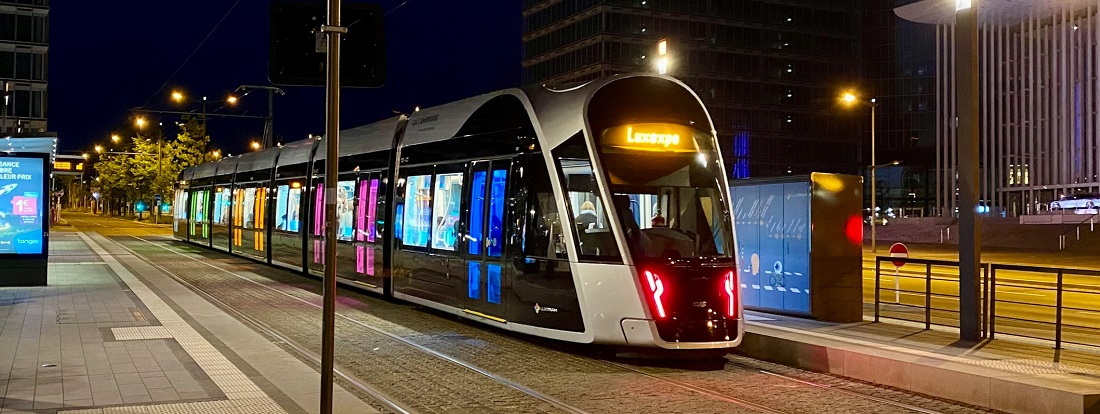
Trams in Luxembourg by Felicia Varzari on Unsplash

Punctuality matters a great deal in Luxembourg, so arriving on time signals respect, whether for a business meeting or a dinner invitation. If you’re going to be more than five minutes late, call ahead and apologise. Showing up early isn’t ideal either. Attitudes here are closer to those in Germany than in southern Europe, and lateness gets noticed.


Bureaucracy in Luxembourg

For most new arrivals, the first real taste of bureaucracy in Luxembourg is the commune. Soon after you move in, you’ll need to register your arrival at the local Biergeramt, and EU citizens usually have eight days to do it. It’s an important step, because without it, you can’t open a bank account or start your residence paperwork. Most of it now happens through the official guichet.lu portal, and you can handle a lot online, although a bit of French or German helps when forms and counter staff aren’t in English.


LGBTQ+ in Luxembourg

Luxembourg is among the most welcoming countries in Europe for LGBTQ+ residents, and the country has had an openly gay prime minister for a decade. Same-sex couples have been able to marry and adopt since 2015, and discrimination based on sexual orientation or gender identity is against the law. Transgender individuals can change their legal gender by simple self-declaration.

LGBTQ+, Diversity and Inclusion in Luxembourg


Women in Luxembourg

Women in Luxembourg have strong legal protections, and equal pay for equal work is written into the Labour Code. The country’s headline gender pay gap is one of the smallest in the EU, although that number is a little misleading, because it leaves out the many women working part-time. Higher up, boardrooms and senior roles are still mostly male, and progress there has been gradual. In politics, parties must put forward at least 40 percent women on their national candidate lists.

Gender Equality and Women in Leadership in Luxembourg

Healthcare in Luxembourg

Healthcare in Luxembourg is one of the best state-sponsored systems in Europe, and every legal resident can use it. You contribute to the national health fund through your salary, and from then on, you’ll either pay reduced rates or claim most of your costs back. Public healthcare here is excellent, although private care is available too.


Public healthcare in Luxembourg

Healthcare in Luxembourg

Luxembourg’s hospitals and clinics are well equipped, and the public healthcare in Luxembourg is first rate. Once you’re paying into national social security each month, you and your family can use the system at reduced rates or claim back most of what you spend.

Under the state system, you can choose your own GP, dentist, specialist, and hospital. Basic coverage includes most GP and specialist treatments, laboratory tests, prescriptions, and hospitalisation.


Private healthcare in Luxembourg

Private healthcare in Luxembourg works a little differently than you may be used to. For starters, there aren’t any private hospitals. Every hospital is part of the publicly funded system, and private care here really means the doctors and specialists who practise privately. To see one, take out a private health insurance policy, since the fees can be steep if you’re paying yourself.

Public healthcare is good enough that most residents rely on it alone. Some add private coverage for the extras the state doesn’t fully pay for, such as private hospital rooms, dental work, orthodontics, and glasses.


Health insurance in Luxembourg

You can’t opt out of health insurance in Luxembourg. It’s compulsory for everyone who works, whether you’re employed or self-employed. You will be registered with the Joint Centre for Social Security (CCSS). Your employer usually handles that for you, but the self-employed will need to do it themselves.

You’ll then receive a social security card, which you show whenever you see a doctor or pick up a prescription. Your employer deducts your monthly contribution straight from your salary, so you rarely need to think about it. The self-employed pay the CCSS directly.

For most treatments, the CNS reimburses between 80 and 100 percent of the cost, and you pay the rest. In practice, you’ll often pay the doctor upfront and claim the money back, although pharmacies, hospitals, physiotherapists, and labs usually bill the CNS directly. Many residents top this up with private insurance to cover the gaps.

Useful links


Pharmacies and medication in Luxembourg

You’ll spot pharmacies in Luxembourg by the green cross outside, which is lit whenever the shop’s open. On signs, you’ll see them called pharmacie in French, Apotheke in German, and Apdikt in Luxembourgish. Most pharmacies keep ordinary shop hours, but duty pharmacies (pharmacies de garde) are always open overnight and on Sundays.

How much of a prescription you get back depends on the category the CNS assigns the medicine to. Essential drugs are reimbursed in full, standard ones at 80 percent, and less essential ones at 40 percent, and you pay the balance. Over-the-counter medicines aren’t reimbursed, so you’ll pay for those yourself.

Bring the generic name of any medicine you take rather than the brand name, since brands differ from country to country. Everyday remedies such as painkillers and cold treatments are sold only in pharmacies here, not in supermarkets, which can catch newcomers out.

Useful links


Vaccinations in Luxembourg

Vaccinations in Luxembourg

No vaccinations are required to enter Luxembourg, so you just need to keep your routine jabs up to date before you move. These are the ones to check:

  • measles, mumps, and rubella (MMR)
  • diphtheria, tetanus, and whooping cough
  • polio
  • chickenpox

Measles and polio have been on the rise worldwide lately, so it’s sensible to get a booster. Doctors often suggest the hepatitis A and hepatitis B vaccines too, plus a rabies jab if you’ll be working closely with animals. A yearly flu shot is a good idea for older adults, who may also be offered the shingles vaccine. None of these is compulsory, and your GP can advise what makes sense for you.


Emergency medical services in Luxembourg

For any medical emergency in Luxembourg, dial 112, the European emergency number. If you need the police, it’s 113 instead. Operators can usually help you in English, as well as French, German, and Luxembourgish. A standard ambulance is crewed by trained rescuers, but for anything life-threatening, the dispatcher will send a SAMU (Service d’Aide Médicale Urgente) unit too, which carries an emergency doctor and a specialist nurse.

The main hospitals all run emergency departments, and they’ll treat anyone who needs urgent care, whether or not you’re insured. If you’re covered, the CNS settles most of the bill afterwards. Out of hours, the hospitals take turns on duty.

Useful links

Accommodation in Luxembourg

Accommodation in Luxembourg is generally of high quality, and you’ll find a range of options when you move here. Most expats rent at first to get to know the country’s different areas. Renting is the usual choice for a short stay, but it’s expensive, so expats who plan to settle here for the long term often look into buying instead.

Many expats will rent in a neighbouring country such as France, Germany, or Belgium, where rentals are often cheaper, and then commute across the border.


Types of accommodation in Luxembourg

Housing in Luxembourg by Llibert Losada from Unsplash

Locals usually own their homes, while expats tend to rent in Luxembourg. The vast majority of rentals are apartments rather than family homes. That said, you can also find townhouses, semi-detached houses, single-family homes, and villas in Luxembourg, although most are for sale rather than rent.

You’ll find houses more easily in small towns and the countryside, while apartments are far more common in city centres.

Furnished vs unfurnished

Most rentals in Luxembourg are unfurnished. If you prefer furnished accommodation, a few specialised companies offer it. Furnished properties are pricier than unfurnished ones and can cost up to double the monthly rent. Weigh up the cost of shipping your belongings over, buying new furniture and appliances in Luxembourg, or renting a furnished place. For some properties, it works out cheapest to rent furnished.

If you go for furnished accommodation, make sure the landlord gives you an inventory of the furnishings and their condition before you move in. If you’re relocating with a cat or dog, check in advance whether the property is pet friendly.

Short lets

There are several kinds of short lets available across Luxembourg. Bed and breakfasts (B&Bs) are the traditional option, and you’ll also find Airbnb rentals and serviced apartments for a more homely stay. These short-term lets are typically fully furnished, and utilities such as electricity, water, heating, and internet are usually included in the rent.

Useful links


Finding accommodation in Luxembourg

When finding accommodation in Luxembourg, most newcomers go through an estate agent, and the agency fee is split equally between you and the landlord. You can also search online property portals, agency websites, expat social media groups, and classified listing sites.

When you search, weigh up the cost, how close a place is to your workplace and your children’s schools, access to public transport, and the length of your commute if you plan to live across the border. An estate agent who knows the area can be a real help here.

You may also want to hire a relocation company. They can handle much of the move for you: finding accommodation, arranging shipping, helping you settle in, and even enrolling your children in school.

Useful links


Renting accommodation in Luxembourg

Renting accommodation in Luxembourg

Making an application

Once you’ve chosen a rental property, there are a few steps to complete before you can move in. You’ll submit an application to the landlord or rental agent and provide several supporting documents. A landlord will most likely ask for proof of identity and a work visa, your employment status, your income level, and possibly references from previous landlords.

Leases

Tenants and landlords usually agree on a fixed term for the rental contract, which must be in writing to be valid. A standard lease in Luxembourg is between two and three years, but you can negotiate a shorter one if you won’t be staying that long.

Contracts are usually drawn up in French, and if you’re not fluent, it’s wise to bring a translator to help you negotiate and sign the lease.

Deposits and fees

Deposits are legally capped at two months’ base rent. It’s usually paid into a blocked bank account for the duration of the lease, and it should be returned at the end as long as there’s no damage or unpaid rent. There are deadlines and penalties for the landlord if they’re late to return it.

An entry inventory is carried out when you move in. Without it, the landlord can’t withhold your deposit for damage. On top of the deposit, you’ll usually need annual liability insurance too.

Terminating the lease

To end your lease, you must give three months’ written notice. Send it by registered letter with acknowledgement of receipt, so there’s a clear record. A landlord in Luxembourg has to give six months’ notice and can only end the lease on legitimate grounds, such as wanting to move in themselves.

If the initial fixed term has ended, the lease is automatically renewed indefinitely, and either side can end it with the required notice. If you need to leave sooner, it’s easiest to find a replacement tenant for the landlord.


Utilities in Luxembourg

In Luxembourg, utilities in rental properties are often already set up and included in the rent. If so, make sure you know exactly what you’re paying for each month. If they’re not included, you can usually take over the existing connections in your name or sign up with a different supplier.

Signing a rental lease in Luxembourg

Electricity

Luxembourg’s electricity market is deregulated, so you will need to choose your supplier. The easiest option is to take over the existing contract, but if you’d rather choose your own supplier, the main options are Enovos, Leo, Electris, and Sudstroum.

Gas

Luxembourg has only a handful of natural gas suppliers, and some rural areas have no access to the gas network at all. As with electricity, the simplest option is to keep the existing supplier and move the account into your name. Take a photo of the meter when you move in so you’re not billed for the gas the previous tenant used.

Water

Luxembourg’s tap water is high quality and safe to drink. The water supply will be overseen by your commune (the local municipality). When you move in, you must register with your commune as a new resident and ask to be connected to its drinking-water network.

You’ll get water bills each quarter, plus a final statement once a year. If you’ve paid more than you used, you get money back, and if you’ve used more, you cover the difference.

Bins and recycling

General household waste is usually collected weekly, although some communes do fortnightly or monthly pickups. When you register with your commune, you’ll receive a set of bins for separating your waste at home. Grey or black bins are usually for non-recyclable household waste, and separate containers (often blue) are for recycling. Each commune uses its own colour scheme, so check what applies where you live.

For bulky items, you can request a special collection from your commune, usually for a fee. Free recycling centres are also dotted around the country if you’d rather drop off sorted waste yourself.

Internet

Luxembourg has some of the fastest, most reliable internet in Europe. Most homes are connected by fibre (FTTH), and where fibre hasn’t reached yet, cable and 5G home internet are common alternatives. The main providers are POST, Orange, Tango, and Eltrona.

Useful links

Working in Luxembourg

If you’re working in Luxembourg, you’ll be in the country with the highest GDP per capita in the world, which is a big part of the appeal for professionals looking to work abroad. The country’s economy is strong, and the active labour market is a major drawcard for expats.

Foreigners who meet the criteria can also benefit from tax exemptions, an added bonus of working in Luxembourg. Salaries are high, and thanks to strict labour laws, you can expect a good work-life balance.


Job market in Luxembourg

Job market in Luxembourg

At the centre of the job market in Luxembourg, you’ll find financial services, and the country is one of the world’s largest investment fund centres. Private banking and insurance are big employers too.

There’s also the manufacturing and steel industries, and one of the world’s largest steelmakers is headquartered here. The economy has also diversified into high-tech and telecommunications, and information technology is now a notable source of skilled jobs.

Unemployment is fairly low, and the workforce is highly skilled, but employers in Luxembourg struggle to fill specialist roles. Luxembourg has a persistent skills shortage in finance, information technology and cybersecurity, legal and compliance, healthcare, and engineering. If your credentials match one of these fields, you should find plenty of openings.


Finding a job in Luxembourg

Finding a job in Luxembourg tends to be straightforward for those whose skills are in demand. Once you’ve got a residence permit and a Luxembourg social security number, you can register with the Agency for the Development of Employment (ADEM), which can help you look for work if you meet its conditions. Each year, the ADEM publishes a list of shortage occupations, and non-EU nationals with those skills will qualify for a quicker recruitment route.

If ADEM isn’t the route for you, it’s worth approaching local recruitment agencies, and several international firms operate here. Online job portals are another good option, and there are plenty of jobseekers who rely on LinkedIn. Networking matters a lot here, so it pays to send speculative applications and build a few good contacts.

Speaking one of the country’s languages is a real asset when looking for work in Luxembourg. French is the main working language, and Luxembourgish and German are useful too. English is widely used in business, especially in finance, insurance, IT, and at the EU institutions here, so plenty of roles are open to English speakers. Even so, you’ll have more options if you speak a second language.

Visas for Luxembourg

Useful links


Work culture in Luxembourg

Work culture in Luxembourg

Expect a fairly formal, hierarchical work culture in Luxembourg. Dress is conservative, particularly in finance and law. Tech and creative firms tend to be more relaxed. Punctuality and deadlines are taken seriously, and meetings are usually short, since the real decisions tend to be made before the meeting has started.

Luxembourg has strict labour laws, so most workers are well paid and enjoy a good work-life balance. The working week is 40 hours over five days, and office hours are usually 8am or 9am to 5pm or 6pm.

Many companies offer flexible hours, and employees can often arrange their schedule to suit them. Remote and hybrid work have become common, especially since the pandemic. Full-time employees will get at least 26 days of paid leave a year, not counting the 11 public holidays off.

Business Culture in Luxembourg

Doing business in Luxembourg

Doing business in Luxembourg is fairly straightforward. The government looks after its workforce with strict rules on working hours, leave, taxes, and the minimum wage. Expats here can expect a good work-life balance and decent salaries, and some highly qualified newcomers even qualify for significant tax relief in their first years in the country.

Luxembourg has a large international community and is highly accommodating of foreigners. It may prove tricky to land a job at first, but you can usually settle into the workplace once you find one, especially since English is widely used in Luxembourg’s international and financial sectors alongside French.


Fast facts

Doing business in Luxembourg

Business hours

Employees in Luxembourg typically work Monday to Friday, and offices are open from around 8am or 9am to 5pm or 6pm. Plenty of companies offer flexible hours, so employees can arrange their day to suit them, as long as they work a 40-hour week.

Business language

French, German, and Luxembourgish are all official languages, and French is the one most widely used in business. You’ll also hear German and Luxembourgish at work. English has become the second most common workplace language, and it’s the default in finance and at the EU institutions.

Greetings

The appropriate greeting between business associates is a firm handshake. Among friends (but not between two men), three light kisses on the cheeks are typical. Address everyone as Monsieur or Madame and their surname until they invite you to call them otherwise.

Business cards are exchanged when you first meet a business associate. They usually include both a job title and an academic title. Have your business cards printed in French, and add an English version for international and finance circles.

Business dress

Luxembourgers dress formally and conservatively for work. They tend to wear high-quality clothes and avoid bright colours. Men wear suits and ties, while women typically dress in suits, dresses, skirts, and blouses.

Gifts

Gifts are rarely exchanged in Luxembourg’s business world, but if you’re invited to someone’s home, it’s customary to bring flowers or a good bottle of wine for the host.

Gender equality

Luxembourg is the only EU country with a government ministry dedicated to gender equality. It’s currently the Ministry for Gender Equality and Diversity. In 2016, the government made equal pay for equal work a legal requirement, and Luxembourg now has one of the smallest gender pay gaps in the EU. Progress is less even at the top, where women are still underrepresented in senior and leadership roles. Expat women are unlikely to face discrimination at work.


Business culture in Luxembourg

Business culture in Luxembourg

Business culture in Luxembourg is conservative and formal, but its labour laws are firmly on the side of employees, so expats can generally expect a good work-life balance and a solid salary.

Business structure

Luxembourgish firms tend to be hierarchical, and senior-level employees are highly respected. Decision-making happens at the top of the organisation. Despite this traditional structure, many businesses are adopting a different management approach to increase staff participation.

Work-life balance

Workers in Luxembourg generally have a good work-life balance. Full-time employees work eight hours a day, five days a week, which adds up to 40 hours. Overtime is mostly paid, but employees are legally prohibited from working more than 48 hours a week.

On top of the 11 public holidays, full-time employees are entitled to at least 26 days of paid leave a year. This may differ for fixed-term or part-time employees.

Meetings

Meetings in Luxembourg are formal, and attendees follow protocol closely. The purpose of a meeting is usually to formalise a decision or give instructions, since the decision-making happens beforehand. Small talk is kept to a minimum, and the rules of conduct are taken seriously.

Time

Punctuality is taken seriously in Luxembourg, both inside and outside the workplace. If you’re running late, you should call ahead to let your counterpart know. Workers in the country adhere closely to schedules and meet their deadlines.

Communication

Luxembourgers are generally rational and pragmatic, especially in the workplace. Strong criticism and assertiveness aren’t appreciated, so try to communicate with courtesy and a bit of charm.

Expats should avoid high-pressure negotiation tactics and be careful not to rush decisions. Emotional outbursts and bragging about achievements also go down badly.


Dos and don’ts of business in Luxembourg

  • Don’t arrive late to meetings or business engagements
  • Do dress formally and conservatively
  • Do greet business contacts with their surname and honorific title
  • Do keep your personal and work life separate, and respect your colleagues’ privacy
  • Don’t schedule business meetings in July or August, or around Easter and Christmas, when much of the country is on leave
  • Don’t brag about money or ask what colleagues earn, as Luxembourgers value discretion

Visas for Luxembourg

Whether you need a visa for Luxembourg depends on your nationality and how long you’re staying. Luxembourg belongs to the Schengen area, so EU, EEA, and Swiss nationals can live and work here without one.

Nationals of many visa-exempt countries, including the UK, the US, Canada, and Australia, can visit for up to 90 days in any 180-day period without a visa, although they’ll still need proper authorisation to work or settle for longer.

Third-country nationals who don’t fall into either group apply for a short-stay or long-stay visa before travelling. Tourism and short business trips are fairly simple, and for longer stays or work, there’s more paperwork, much of which you can handle online through MyGuichet.


Short-stay visas for Luxembourg

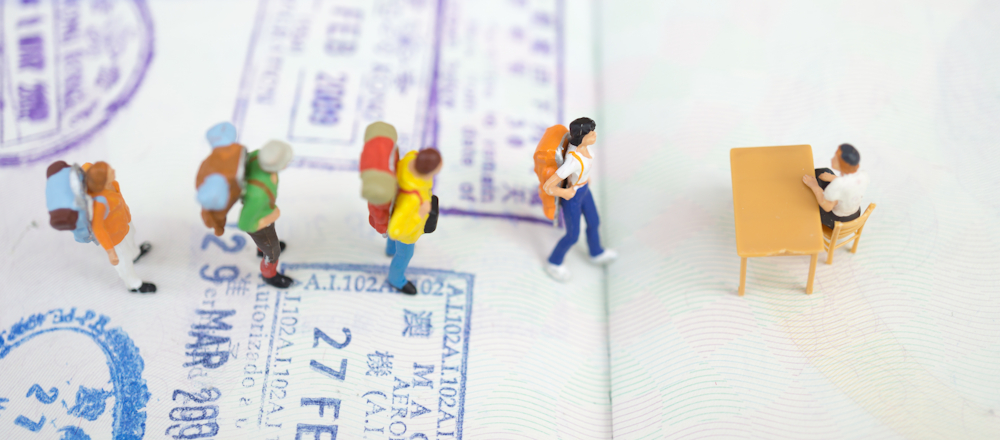
tourists queuing at customs

For a stay of up to 90 days in any 180-day period, the document you’ll want is a short-stay visa for Luxembourg, known as a type C visa. There’s no extending the 90 days except in cases of force majeure or serious personal circumstances. What you’ll need to provide is a little different depending on whether you’re here for leisure or plan to do any work while you’re in the country.

Third-country nationals who need a visa and are travelling for leisure apply for a Schengen visa before they arrive. You’ll lodge the application at a Luxembourg embassy or consulate, and where Luxembourg has no mission of its own, Belgium or the Netherlands handles it on its behalf, often through an external visa centre.

If you’re visiting more than one Schengen country on a single trip, apply through the consulate of the country where you’ll spend the most time. If you’ll spend equal time in each, the consulate at your first point of entry handles the application.

A type C visa is either single-entry or multiple-entry. The paperwork is fairly standard. You’ll need a passport that is valid for at least three months beyond your planned departure, proof of accommodation and enough funds for the trip, travel medical insurance that meets the Schengen minimum, and a return or onward ticket. Consulates usually make their determination within about 15 days if it’s not too busy.

There’s one practical thing to know at the border. Since 2026, border officers log every non-EU visitor’s entry and exit biometrically under the Schengen Entry/Exit System, so first-time arrivals should allow a bit of extra time at passport control. A separate online travel authorisation, ETIAS, is on the way for visa-exempt travellers, and it’s worth checking the official EU travel portal before you fly.

Taking up paid work during a short stay is a different matter. A tourist visa isn’t enough, so you’ll need a separate work authorisation, and that starts with a job offer from a Luxembourg employer. Anyone moving here for a job usually goes down the long-stay route below instead.

Useful links


Long-stay visas for Luxembourg

Long-stay visas for Luxembourg

Staying longer than 90 days means applying for Luxembourg’s long-stay visa, the type D.

Your first move is to request a temporary authorisation to stay from the Directorate of Immigration, which is part of the Ministry of Home Affairs. That authorisation is valid for 90 days, and within that window, you submit the type D visa application at a Luxembourg embassy or consulate, or at the Belgian or Dutch mission that represents Luxembourg. Once it’s granted, the visa is generally valid for anything from 90 days up to a year.

If you’re moving for a job, you’ll attach a signed contract with a Luxembourg employer to the authorisation application. Your employer will have done some groundwork first, though. They must have advertised the post with the Agency for the Development of Employment (ADEM), and only once ADEM is satisfied that no suitable candidates are available locally or elsewhere in the EU will it issue the certificate that clears them to hire a third-country national. For roles on Luxembourg’s official shortage-occupation list, there’s no waiting period.

There are a few more steps once you’re in the country. Within three days of arriving, you need to register with your local commune, and there’s a medical check for foreigners to complete soon after. The residence permit for salaried workers is the final step, and it’s issued by the Directorate of Immigration.

Working in Luxembourg

Useful links


Residence permits for Luxembourg

Once you’re in the country, the document that lets you stay on is your residence permit for Luxembourg. The Directorate of Immigration, part of the Ministry of Home Affairs, handles these applications. After approval, the directorate invites you to book an appointment to have your photograph and fingerprints taken. You’ll then receive a biometric residence card, which is also your work authorisation.

Your first residence permit is generally valid for a year and tied to one job in one sector. Later permits are valid for longer, and they’re no longer tied to a single job, so you’re free to change employer or field.

Useful links

Visa requirements can change at short notice, and expats should contact their respective embassy or consulate for the latest details.

Banking, Money and Taxes in Luxembourg

Professionals moving to Luxembourg rarely struggle to manage their money. The Grand Duchy is one of the world’s leading financial centres, and banking and finance make up roughly a quarter to a third of its economy. You can choose from more than 100 banks, both homegrown and international, so it’s simple to open an account and handle everyday money matters. Tax is the part that takes more thought, so it pays to get to grips with your obligations from the outset.


Money in Luxembourg

Variety of Euro Banknotes

Like the rest of the Eurozone, Luxembourg uses the euro, which is divided into 100 cents.

  • Notes: EUR 5, EUR 10, EUR 20, EUR 50, EUR 100, EUR 200, and EUR 500
  • Coins: 1 cent, 2 cents, 5 cents, 10 cents, 20 cents, and 50 cents, along with EUR 1 and EUR 2

Banking in Luxembourg

Expats have plenty of options for banking in Luxembourg. For everyday accounts, the main retail names are Spuerkeess (also known as BCEE, the state-owned bank), Banque Internationale à Luxembourg (BIL), BGL BNP Paribas, Banque Raiffeisen, and POST Finance. There are big international names like Deutsche Bank and HSBC that operate here too, but they mostly serve corporate and private-banking clients.

Branches are generally open from 8.30am to 4.30pm, Monday to Friday, and few are open on Saturday mornings. Many have shorter counter hours or work by appointment, since most everyday banking has shifted online.

Opening a bank account

You’re not legally required to open a bank account in Luxembourg, and you can keep running your money through an overseas one. Even so, you’ll find everyday life much easier with a local account, from picking up your salary to paying rent and bills by direct debit.

There are no restrictions on foreigners opening an account. Most banks ask you to come into a branch in person, although some let you start online, so you can apply from abroad before you’ve even arrived.

If you open the account online, you may need to post or upload scanned copies of the required documents. Most banks want photo ID, such as a passport or national identity card, plus proof of address, whether that’s local or from back home. Some also ask for proof of employment or income and a Luxembourg tax number, and it’s increasingly common for banks to request a residence certificate from your local commune.

ATMs and credit cards

With so many banks around, you’ll rarely have to hunt for an ATM in Luxembourg. You’ll spot them outside bank branches, in supermarkets, in shopping centres, and at the main train stations.

International bank cards, such as Visa and MasterCard, can be used at ATMs in Luxembourg. Some machines also accept American Express, but this isn’t guaranteed.

Oddly for Europe, most Luxembourg banks charge a small fee to withdraw at another bank’s ATM, so you’re better off sticking to your own bank’s machines, where withdrawals are free.

Cash still has its place in Luxembourg, but you won’t need to carry much of it. Cards work almost everywhere, and mobile and contactless payments have become second nature.

Useful links


Taxes in Luxembourg

How you’re taxed in Luxembourg comes down to whether you count as a resident. You become a tax resident once you’ve lived in the country for more than six consecutive months, or if your permanent home is here. Residents are taxed on their worldwide income, while non-residents pay tax only on income earned within Luxembourg.

Income tax is progressive and can be anywhere between 0 and 42 percent, according to how much you earn. There’s also a solidarity surcharge of 7 to 9 percent of the tax due, which the government uses to finance the employment fund. Social security contributions come out of your salary as well, and they cover health, pension, and long-term care insurance.

Highly skilled staff recruited from abroad may qualify for Luxembourg’s impatriate tax regime. Half your eligible gross salary can be exempted from income tax, up to an annual cap. To qualify, you’ll need to become a Luxembourg tax resident and earn above a set minimum salary, and you can’t have lived or paid tax in the country in the years just before your move. You can claim the relief for up to the first eight years. It’s your employer’s responsibility to apply, so flag it with them if you think you might be eligible.

Expat tax can get complicated fast, especially once foreign income or cross-border commuting enters the picture, so it’s a good idea to talk to a tax adviser who specialises in expat cases.

Useful links

Transport and driving in Luxembourg

Getting around Luxembourg is easy, thanks to its dense and well-connected public transport network. You can criss-cross the Grand Duchy by train, bus, and tram, or drive along an excellent network of motorways and secondary roads. Despite the excellent public transport, cars are still popular, and Luxembourg has one of the highest rates of car ownership in the EU.

In 2020, Luxembourg became the first country in the world to offer free public transport throughout the country. You’ll still need a ticket for first class or to cross the border into France, Germany, or Belgium, but otherwise trains, buses, and the tram are free for everyone in the country, residents and tourists alike.


Public transport in Luxembourg

Buses, trains, and trams make up one interconnected public transport network in Luxembourg, and they’re clean and quick to use. There are cross-border lines into France, Germany, and Belgium too. The Mobilitéits Zentral website and app have timetables for every route in the country, plus a journey planner for door-to-door trips.

Train in Luxembourg by Armand Khoury from Unsplash

Trains

The trains in Luxembourg are run by Société nationale des chemins de fer luxembourgeois (CFL). It operates seven national lines across the country and is upgrading its busiest corridors to add capacity. Travel on these lines is free anywhere within Luxembourg, but you’ll need a ticket to cross into France, Germany, or Belgium.

Station signs and screens are in French, but the CFL app is available in English, French, and German. Space can get tight at rush hour, but you’re free to bring bicycles, pushchairs, pets, and luggage on any CFL train.

There are trains throughout the day, but night services are sparser. Besides CFL, the Belgian, French, and German railways (SNCB, SNCF, and DB) also run services to Luxembourg, so onward travel across the region is easy.

Buses

AVL, RGTR, and TICE are the three bus networks in Luxembourg. AVL and TICE run only within Luxembourg, while RGTR also operates cross-border routes. RGTR has by far the largest network, and it runs more than 340 lines. AVL covers Luxembourg City and its neighbouring municipalities, while TICE serves the Esch-sur-Alzette area in the southwest.

Buses are available daily from around 5am until midnight, and there is a limited night-bus service after that.

Tram

Luxembourg’s trams have a long backstory. An earlier network was scrapped in 1964, and the modern tram opened in 2017. The network is operated by Luxtram. For now, it’s a single line that has 24 stops, but the government plans several extensions under the 2035 National Mobility Plan, among them new branches in the capital and a future link south to Esch-sur-Alzette.

One end of the line is at Luxembourg Airport in the north, and the other is at the national stadium at Cloche d’Or in the south. Trams are available from early morning until around midnight.

Useful links


Taxis in Luxembourg

You’ll find taxis in every town and city across Luxembourg. Hail one on the street, pick one up at a rank, call ahead, or book through an app. Taxis can be a pricey way to get around.

Uber came to Luxembourg in 2024 through a tie-up with the local operator Webtaxi, so you can order a car the same way you would anywhere else. There are apps for traditional taxi firms too, and you can use them to book or pre-book a ride.

Useful links


Driving in Luxembourg

Driving in Luxembourg by Manu

The motorways and secondary roads are excellent, so driving in Luxembourg is easy, and you can head straight over the border into France, Germany, and Belgium. Despite the free public transport, most residents still own a car. Road tax and insurance are compulsory and can be pricey, but fuel’s cheaper here than in the surrounding countries, so drivers from across the border will often pop in just to fill up.

Driver’s licences

If you hold an EU or EEA driver’s licence, it’s recognised in Luxembourg, so you won’t have to exchange it. It’s still worth registering it with the authorities when you arrive, since that makes it easy to get a Luxembourg licence issued if yours is later lost, stolen, damaged, or expired.

If you’re from outside the EU or EEA, you can drive on your foreign licence for one year after you become a resident, and after that, you must exchange it for a Luxembourg driver’s licence. You’ll need a medical certificate from a doctor in Luxembourg and a criminal record extract from your home country. If you miss the one-year deadline, you may have to pass a written and practical driving test instead.

Useful links


Air travel in Luxembourg

For air travel, Luxembourg has a single airport, Luxembourg Airport (still widely known as Findel), which is about four miles (6km) east of the capital. There’s no direct train to the terminal, but the tram goes right to the airport, and there are buses and taxis as well.

Passenger numbers have grown steadily, and new routes are added most years. Most direct flights from Luxembourg are within Europe, although you can also fly direct to a handful of destinations in North Africa and the Middle East.

The airport is modern and easy to use, and it has two terminals. Terminal A is the main building for most flights, while the smaller Terminal B is used for regional and seasonal services. Luxair, the national carrier, flies across Europe and to a range of holiday destinations, and other full-service and budget airlines operate here too.

Useful links

Education and schools in Luxembourg

Education and schools in Luxembourg have a solid reputation, and pupils leave well prepared for a multilingual job market. The government runs most public schools free of charge, and schooling is compulsory from age four. In 2026, the school-leaving age was changed from 16 to 18.

Public schools in Luxembourg are trilingual. Children normally start in Luxembourgish, learn to read and write in German, and take up French a little later. Under a recent reform, some families can now choose French instead of German for early literacy, which is much easier for the children from French-speaking backgrounds.

If you’re an expat staying in Luxembourg for the long term and want to enrol your children in local schools, you’ll find the government runs programmes to help international pupils settle into the system. Many schools also teach English as an additional language from the secondary level. But some expat parents are put off by the language mix and send their children to an international school where they can continue their home country’s curriculum in their home language.


Public schools in Luxembourg

Public schools in Luxembourg

It may take a little while to get your head around public education in Luxembourg. Compulsory schooling has two main stages: fundamental education and secondary education. Fundamental education is divided into four cycles. In Cycle 1, children mainly learn to speak Luxembourgish and build their social skills. From Cycle 2, they begin to read and write in a second language and cover basic numeracy, and pupils take up the third language in the later cycles.

Local schools expect students to have a good grasp of at least one national language, along with some knowledge of the others, before they enrol. To support international pupils, the government provides intensive language courses and extra help so newcomers can catch up.

There are also welcome and integration classes (classes d’accueil et d’insertion) for secondary-age children who are new to the Luxembourg system. In these classes, students pick up the languages and prepare to move into mainstream courses.

  • Fundamental education (enseignement fondamental) includes four cycles from pre-school to primary school: ages 4 to 11
  • Secondary education (enseignement secondaire) is divided into junior and senior classes: ages 12 to 19

At the secondary level, children follow either classical secondary education (enseignement secondaire classique) or general secondary education (enseignement secondaire général). Students in the general stream can choose academic or vocational tracks.

In the lower secondary years, the curriculum is broad, and students specialise more in their chosen subjects in the upper years. Most students finish secondary school between 18 and 19. From there, they can go on to university, start higher technical studies or an apprenticeship, or enter the workforce.

Useful links


Private schools in Luxembourg

You’ll find a real mix among private schools in Luxembourg. Some follow the national curriculum, while others use an alternative approach, such as Montessori or Waldorf, or teach a foreign curriculum. Many are subsidised by the state, so their fees are relatively low, and a number offer lessons in English.

These schools could be a good middle ground for international students who wish to learn in English but can’t afford the fees at an international school.


International schools in Luxembourg

International schools in Luxembourg

International schools in Luxembourg teach foreign curricula in a foreign language, and there are several to choose from. They can be the best option if you want your children to carry on with their home country’s curriculum in their home language. Several teach the International Baccalaureate, and others follow British, American, French, or German programmes. Most of these are private and fee-paying.

They can be pricey, but they usually have good facilities, a wide range of extracurricular activities, small class sizes, and experienced teachers. If you’re moving to Luxembourg for work, try to negotiate a school allowance as part of your employment package to help cover the cost.

There’s a free option too. The state runs several international state schools where students work towards the European Baccalaureate in English, French, or German. There are also two European Schools, although these are mainly for the children of EU staff. Expat families get an English-language or multilingual education this way, without private-school fees. Places are limited, and waiting lists are common, so it’s worth applying early.

Useful links


Special educational needs in Luxembourg

Luxembourg has plenty of support in place for children with special educational needs. Some stay in a mainstream school, and some split their time between a mainstream and a special-needs school. Others attend a local or international special-needs school full time.

Across primary and secondary schools, children with special educational needs are looked after by the national inclusive education service (SNEI), specialist competence centres, regional inclusion commissions, and the ESEB support teams. In a mainstream school, that support can include after-school homework help, special classes, extra lessons in the holidays, and one-to-one assistance in the classroom.

Children with intellectual or physical disabilities may qualify for state benefits to help cover the cost of care. Parents apply for these through the Children’s Future Fund (Caisse pour l’avenir des enfants).

Useful links


Tutors in Luxembourg

Tutors in Luxembourg

A tutor in Luxembourg can help your children find their feet with the local languages or settle into a new curriculum. Tutors also lend a hand with any subjects your children are struggling with.

Luxembourg has plenty of tutoring companies and independent tutors. You can arrange private lessons at home or online, or send your child to a tutoring centre for group sessions. Before you hire a private tutor or sign up with a company, ask at your child’s school or check with other local and expat parents for recommendations.

Useful links

Pros and cons of moving to Luxembourg

Luxembourg is regularly rated one of the world’s best places to live, and it’s popular with expats the world over. The government looks after its residents and takes their well-being seriously, so there’s a long list of reasons to weigh up a move to this small, landlocked European country.

That said, as with any country, there are downsides to life in Luxembourg too. We’ve put together a list of pros and cons of moving to Luxembourg.


Accommodation in Luxembourg

Aerial view of Luxembourg by Llibert Losada from Unsplash

+ PRO: Expats face no restrictions when buying homes in Luxembourg

While renting is the better option for those not planning to stick around for the long term, if you’re planning to move to Luxembourg permanently, you should certainly consider buying property in the country. There are no restrictions on foreigners, and homes for sale are also much more common and varied than rentals.

- CON: The number of rentals available is limited

Much of Luxembourg’s large foreign population would rather rent than buy. There simply aren’t enough rentals to go around, and most available properties are for sale only. If you want to rent, you’re generally limited to apartments in the urban centres, and you should be ready to move quickly to secure one.

- CON: Rentals are extremely expensive

On top of it being difficult to find accommodation in the first place, renting is expensive in Luxembourg. In the long term, buying property is much cheaper, but this is not an option for those who are only staying for a short time. For this reason, many expats rent more affordable homes across the border and commute in. Hundreds of thousands of workers make this trip each day from France, Belgium, and Germany, so for a big share of the workforce, the cross-border commute is just part of the daily routine.

Accommodation in Luxembourg


Transport in Luxembourg

Tram in Luxembourg by Marc Blue on Unsplash

+ PRO: Expats can easily travel to neighbouring countries

Luxembourg has a dense and efficient transport system that covers the entire country and extends into neighbouring France, Belgium, and Germany. You can hop on a bus or train and cross Luxembourg’s border for a weekend or day trip or as part of your daily commute. Cross-border trains and buses run regularly, and tickets are inexpensive.

+ PRO: Public transport is free

Luxembourg became the first country in the world to make public transport free for everyone, residents and tourists alike. Buses and trains are free throughout the country, as is the Luxembourg City tram. You only pay to travel first class or to cross one of the borders.

- CON: Luxembourg has only one airport

One airport is enough for a country this compact, although the route choice out of Luxembourg Airport is limited. Things are improving, and there are now direct flights to Europe, parts of Africa, the Middle East, and China. For anywhere further afield, you’ll usually change planes at a larger hub.

Getting Around in Luxembourg


Lifestyle and culture in Luxembourg

+ PRO: Scenic countryside close to the cities

For such a small country, there’s a lot of scenery to enjoy. Up north are the wooded hills of the Ardennes, the southeast is wine country along the Moselle, the Mullerthal in the east is known for its sandstone cliffs and forest trails, and the south is gentler farmland. Wherever you settle, open countryside is only minutes from town.

+ PRO: Low crime and a strong sense of safety

Luxembourg is economically and politically stable, and crime rates are low. Opportunistic thieving does occur, but not nearly as regularly as in other European countries. You should still keep a general eye on your surroundings, but most residents feel at ease going about their day.

- CON: The three-language barrier

Most Luxembourgers speak good English, especially at work and in the capital, so you’ll rarely be stuck. Even so, day-to-day admin and paperwork are usually in French or German, and it’ll go a long way with the older residents if you make a little effort to learn a local language. Newcomers who arrive with no French, German, or Luxembourgish may find the first few months harder going.

- CON: Making friends with locals can be tricky

Luxembourgers are typically quite private, and newcomers can find them reserved at first. The flip side is that close to half the population is foreign, so expat networks and clubs are easy to plug into even before you crack the local social scene. Reading up on local customs before you move helps too.

Local Culture in Luxembourg


Working in Luxembourg

Working in Luxembourg

+ PRO: Good work-life balance

If you move to Luxembourg for work, you benefit from strict labour laws. Employers must respect firm limits on working hours, and the good work-life balance is a real draw. Full-time employees work eight hours a day, five days a week. Overtime is usually paid, but there’s a legal ceiling of 48 hours a week. Staff are also entitled to at least 26 days of paid leave per year, plus 11 public holidays.

- CON: It’s difficult to get a job as a foreigner

For non-EU citizens, an employer can usually only recruit from abroad once no suitable candidate registered with the National Employment Agency (ADEM) is available. The job hunt is tougher for them as a result, although EU, EEA, and Swiss citizens can work in Luxembourg freely. Either way, it’s far from impossible, and those with the right credentials find openings across several fields.

Finding a Job in Luxembourg


Cost of living in Luxembourg

- CON: Luxembourg is relatively expensive

Few countries in Europe are pricier than Luxembourg, and you shouldn’t underestimate how costly daily life can be. The highest cost is accommodation, and food is dear too, whether you’re filling a trolley or eating out. One saving grace is the free public transport, so you pay nothing to get around.

+ PRO: Generally high salaries

High salaries help offset those high costs. A lavish lifestyle may be out of reach for some, but most expats live comfortably on a local salary.

Cost of Living in Luxembourg


Education in Luxembourg

+ PRO: The education system is excellent

Families rate Luxembourg’s schools highly, and it’s easy to see why. From the age of 12, pupils are guided towards either a classical, academic track aimed at university, or a more vocational general track. By the time they finish school, they’re well set up for higher education or for going straight into work.

- CON: The language barrier in schools

Local schools teach in several languages from the early years, so children who go through the system come out speaking all three national languages well, if not fluently. If you move with no French, German, or Luxembourgish behind you, a local school can be a steep climb for your children at first.

There are language courses to ease the transition. A growing number of public international schools now teach partly or fully in English, and many of these are free or low-cost. Fee-paying private international schools are an option too.

Education in Luxembourg


Healthcare in Luxembourg

Healthcare in Luxembourg

+ PRO: Luxembourg has a high standard of healthcare

Healthcare in Luxembourg is among the best in Europe, and it’s free or subsidised for all legal residents. If you’re employed here, monthly contributions are taken from your salary, and the CNS (the national health fund) then reimburses the bulk of your treatment costs: around 88 percent of the official tariff for adults, and the full cost for children. You’re also free to choose your own doctor and hospital, and you don’t need a GP referral to see a specialist. Emergency care is available at the main hospitals.

Healthcare in Luxembourg

Diversity and Inclusion in Luxembourg

Diversity and inclusion in Luxembourg are part of daily life. This small landlocked country borders France, Germany, and Belgium, and nearly half of its residents hold a foreign passport. Newcomers continue to arrive from all over the world for the country’s strong economy and high quality of life.


Accessibility in Luxembourg

Hearing aid

The authorities treat accessibility in Luxembourg as a genuine priority, and Luxembourg City won the 2022 EU Access City Award for its ‘Design for All’ approach.

The capital has low-floor buses with ramps, and bus stops are announced both visually and by audio. City buses have dedicated wheelchair space on board, and the trams have low floors too.

The city takes its accessibility a step further by continuously consulting people living with disabilities to measure the impact of its accessibility advancements. People living with disabilities in Luxembourg are also not excluded from key civic decisions, as council meetings are made available in sign and spoken language, as well as transcription.

Wheelchair users are well catered for, and there are kerb ramps at almost all intersections. Service animals travel free on public transport, and there are adapted taxi services for those with reduced mobility.

Useful links


LGBTQ+ in Luxembourg

LGBTQ+ people in Luxembourg enjoy broad freedoms, even though the country is still largely Catholic and socially conservative. Luxembourg’s former Prime Minister, Xavier Bettel, became the first sitting EU leader to marry his same-sex partner. He did so in 2015, a year after Luxembourg legalised same-sex marriage.

Since 2015, same-sex couples in Luxembourg have been allowed to adopt children, and since 2018, residents have been able to change their legal gender through self-determination.

Luxembourg has extensive legal protections for LGBTQ+ people, but there’s still ground to make up. ILGA-Europe’s 2026 Rainbow Europe Map placed Luxembourg 10th of 49 European countries, and it scored 68 percent. It loses points mainly because it hasn’t banned conversion practices, and trans people still need a psychiatric certificate to begin medical transition.

There’s no legal recognition of a non-binary gender in Luxembourg. The Luxembourg Red Cross now assesses all blood donors using the same recent-activity criteria, regardless of their sexual orientation. LGBTQ+ people who move to the bigger cities are largely accepted and made to feel at home, although those heading to more rural or conservative areas are wise to be discreet with public displays of affection, which can sometimes be met with contempt.

Luxembourg has a small but visible LGBTQ+ scene. Its flagship event, Luxembourg Pride, takes place each July and is organised by the NGO Rosa Lëtzebuerg.

Useful links


Gender equality in Luxembourg

Gender equality is written into Luxembourg’s constitution, which guarantees women and men the same rights and freedoms. Luxembourg is the only EU country with a ministry dedicated solely to gender equality. The Ministry of Equality between Women and Men was set up in 1995, first as the Ministry for Women’s Promotion, and its job of embedding gender mainstreaming across government hasn’t changed since.

In the European Institute for Gender Equality (EIGE) 2025 Gender Equality Index, Luxembourg scored 63.9 out of 100 and ranked ninth of the 27 EU member states, above the EU average of 63.4. It’s one of the bloc’s fastest improvers and has climbed about 10 points since 2015.

Luxembourg has the narrowest gender pay gap in the EU, and it’s the only member state where the gap has actually turned negative. Women’s average gross hourly pay is now a shade ahead of men’s.

Luxembourg is far ahead of the pack on paper, yet many households still split domestic work along traditional lines. EIGE data from the pandemic showed that 51 percent of women looked after young children, against 29 percent of men, and 63 percent of women did the housework alone or nearly alone. As a result, more women than men work part time, and that drags down their annual earnings.

Mothers get 20 weeks of maternity leave. That’s eight weeks before the due date, then 12 weeks after. Parents can also take up to six months of full-time parental leave for the same child, and the government pays a birth allowance for children up to the age of two.

Useful links


Women in leadership in Luxembourg

Over the past decade, women in leadership in Luxembourg have gained real ground, and much of that comes down to quotas and steady policy pressure. The European Women on Boards Gender Diversity Index now ranks Luxembourg highly among the countries it surveys, and that’s a sharp turnaround from 18th of 19 in 2021.

Progress on the boards themselves is slower, though. Women held about 22 percent of board seats at Luxembourg-listed companies in 2023, and the share has risen towards a quarter since. No woman ran a listed company as CEO.

In 2016, Luxembourg amended the electoral act to include gender quotas for national and European elections. The law states that political parties must ensure that 40 percent of their candidates in national elections are women, while the quota for European elections is 50 percent. Political parties that fail to achieve these quotas are subject to reduced state funding. Women now hold 33 percent of the seats in the Chamber of Deputies, and that’s well up on the 20 percent they held after the 2018 election.

In December 2025, Luxembourg set the target of at least 33 percent of all board seats, executive and non-executive, for the underrepresented sex. Only a handful of Luxembourg firms fall within its scope, but it’s still a step towards a better balance.

Useful links


Mental health in Luxembourg

Foreigners moving to Luxembourg can access high-quality mental health care. This matters most for new arrivals, who run a higher risk of anxiety and depression as they deal with isolation and the strain of settling somewhere new.

Luxembourg is one of the world’s wealthiest countries, and its residents enjoy a high quality of life. Even so, it has one of the highest rates of chronic depression in the EU: Eurostat puts the figure at roughly one in ten residents, against an EU average of about 7 percent. In response, the country has shifted its mental health care from an institutional model towards community-based care.

All legal residents can get state-sponsored health insurance that covers primary mental health care. In practice, that means GP support plus inpatient and outpatient care at psychiatric hospitals, and inpatient stays are usually approved for the short term rather than the long term.

Those with more serious diagnoses can reach secondary care through state-funded providers, as well as community organisations and volunteer networks. Luxembourg has a high ratio of psychiatric professionals to population, and you’ll mostly find English-speaking practitioners in the private sector.

Useful links


Unconscious bias education in Luxembourg

Unconscious bias turns up in workplaces the world over, and Luxembourg’s no different. It’s the set of implicit stereotypes we hold about groups different from our own. Nobody takes these on deliberately; they build up over time, often about groups we rarely meet, which is why they tend to be inaccurate and assumption-led.

Unconscious bias can affect how a workplace runs and limit the opportunities open to some groups, and that feeds into a company’s hiring and staff turnover.

A report by Luxembourg’s Centre for Equal Treatment found that both conscious and unconscious bias persist and that race- or ethnicity-related discrimination is on the rise. Ingrained stereotypes are still common, and some residents report microaggressions, most often at work, on social media, in housing, and in public spaces.

Some employers, especially multinationals, now run unconscious bias training so staff can spot and check their own biases. Free online tools can help you test for it in yourself, and in others too.

Useful links


Diversification of the workforce in Luxembourg

Diversity in the workplace by Fauxels from Pexels

Few workforces anywhere are as international as Luxembourg’s. The country has the world’s highest GDP per capita, and workers have flocked here from across the globe. Almost half of its residents are foreign nationals.

The workplace here is genuinely diverse, and local and multinational firms between them employ staff of more than 170 nationalities. Around 47 percent of the workforce is made up of cross-border commuters, and about 230,000 of them travel in each day from Germany, Belgium, or France.

Luxembourgers are generally welcoming to foreigners, especially those who make an effort with one of the country’s three official languages (Luxembourgish, German, and French). Even so, people of African descent can still encounter discrimination.

The EU Agency for Fundamental Rights (FRA) keeps track of this. The 2023 ‘Being Black in the EU’ report found that racism against people of African descent had risen across the bloc since 2016. Luxembourg came off relatively well on some measures, though. Only 19 percent of Black respondents there felt their most recent police stop amounted to racial profiling, and that was one of the lowest results among the 13 countries surveyed.

Useful links


Safety in Luxembourg

Luxembourg does well on safety, and it has one of the lowest crime rates in the world. Violent crime is rare, although robberies have become more common.

Petty crimes, such as pickpocketing, can occur, particularly on public transport. Burglaries can also happen, especially during the August holiday period and around Christmastime, when most people travel and leave their homes vacant.


Calendar initiatives in Luxembourg

4 February – World Cancer Day 
8 March – International Women’s Day 
24 March – World TB Day 
2 April – World Autism Awareness Day 
23 May – Diversity Day
July – Pride Month Celebrations 
10 September – World Suicide Prevention Day 
October – Breast Cancer Awareness Month 
10 October – World Mental Health Day 
14 November – World Diabetes Day 
1 December – World AIDS Day