Accommodation in Luxembourg is exceptional, and expats moving to Luxembourg will have various options. Most expats initially rent housing in the country to get to know Luxembourg's different neighbourhoods. While this is certainly the best option for short-term expats, renting in Luxembourg is expensive, which is why it's best to consider buying a property if you'll be staying long-term.
Many expats rent in a neighbouring country such as France, Germany or Belgium, where rentals are often cheaper, and then commute to Luxembourg. That said, expat salaries in Luxembourg tend to be high, so most expats can afford rent.
Types of accommodation in Luxembourg
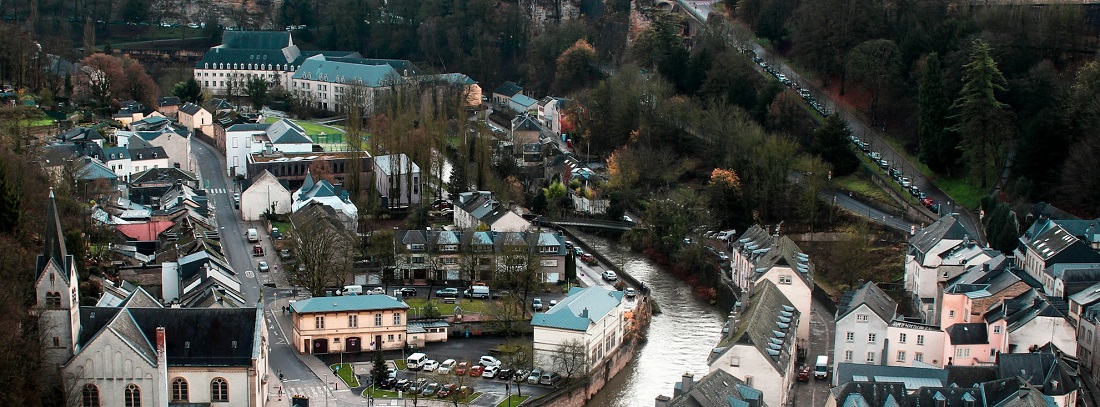
Locals usually own their homes, while expats tend to rent in Luxembourg. The vast majority of rentals are apartments, as opposed to family homes. That said, townhouses, single-family homes and villas can also be found in Luxembourg, but most will be available only for purchase.
The types of homes available depend highly on where in the country you are based. Houses may be more easily found in small towns and the countryside, while apartments are far more common in city centres.
Furnished vs unfurnished
Most rentals in Luxembourg are unfurnished. If you prefer furnished accommodation, a few specialised companies do offer this. Naturally, furnished properties are pricier than unfurnished, sometimes up to double the monthly rent. Expats should consider the differences in cost between shipping their belongings from home, buying new furniture and appliances in Luxembourg, or renting furnished accommodation. Depending on the property, the latter might still be the cheapest solution.
If choosing furnished accommodation, you should ensure that the landlord supplies you with an inventory of the home’s furnishings and the condition of everything before moving in. If you're looking to relocate with a cat or dog, it's essential to find out if the property is pet-friendly beforehand.
Short lets
Luxembourg offers a variety of short-term rental properties throughout the country. Bed and Breakfasts (B&Bs) are the traditional options, while there are also Airbnbs and apart-hotels, which offer a home away from home experience. These short lets are typically fully furnished, and the rental cost includes utilities such as electricity, water, and WiFi. Short lets are a great choice if you're looking to explore a specific neighbourhood before committing to a long-term lease.
Finding accommodation in Luxembourg
Properties are generally rented through estate agents in Luxembourg. You can also search for rentals on online property portals, agency websites and expat social media groups.
When searching for suitable accommodation, things to consider include cost, proximity to the workplace and children’s schools, and accessibility to public transport networks, among others. Hiring an estate agent who knows the area is, therefore, highly useful.
You may also want to consider hiring a relocation company. These companies offer a full suite of services, often including finding accommodation, shipping goods, orientating and helping expats settle in their new homes, enrolling kids in schools, and more.
Useful links
Renting accommodation in Luxembourg
Making an application
Once you have chosen a rental property, you will need to follow several steps before you can move into your new home. You will have to submit an application to the landlord or rental agent and submit several documents. A landlord will most likely request proof of identification and work visa, employment status, income level, and possibly also references from previous landlords.
Leases
Tenants will generally decide on a fixed term with the landlord for the rental contract. A standard lease in Luxembourg is between two and three years, but you can negotiate for a shorter lease if you won’t be staying in the country that long.
We highly recommend that expats who are not fluent in a local language (German, French or Luxembourgish) take a translator along with them to sign and negotiate the lease. This will help them avoid any miscommunications regarding the contract.
If you need to end the contract early, a notice period of three months is usually required unless otherwise stipulated in the lease.
Deposits
A deposit of around two months’ rent is generally required. It can be up to three months’ rent but will not exceed this. This is usually paid into a separate account for the duration of the lease and will be returned to the tenant, provided the property has not sustained any damage. In addition to the deposit, tenants will also have to pay annual liability insurance.
Utilities
Utilities in rental properties are often already set up and included in the rental cost. If this is the case, expats should ensure they know exactly what the costs are and what they are paying for each month. If utilities aren’t included in the rent, you can usually easily sign over the existing utility connections to their name or sign up with a different supplier altogether.

Electricity
The electricity market in Luxembourg is deregulated, meaning tenants are free to choose their supplier. The easiest option for expats renting property in the country is to take over the existing utility contract. Those who choose a different supplier will have several options, including Enovos, Eida, and Electris, which are some of Luxembourg's biggest energy suppliers.
Once you have compared providers and tariff rates, you can contact your chosen supplier telephonically or through their website. You will likely need to supply them with copies of your proof of address, your residence permit, proof of identity, and bank account details to allow direct debits for monthly or bimonthly payments.
Gas
The options for natural gas suppliers in Luxembourg are limited, and some rural areas will have no access to piped natural gas pipelines. Similarly to electricity, the simplest option is to stick to the existing energy supplier and transfer the account into your name.
This can be done telephonically or online, and expats will need to supply the company with their identity, proof of residence, and bank account details. It's recommended that you check the meter when moving in and supply the gas company with the current readings to avoid being overcharged.
Water
The water in Luxembourg is high-quality and is considered safe to drink. The water supply in the country is overseen by the communes, which are responsible for setting up your water connection. Expats must register as new citizens of their commune and request a connection to the municipality's drinking water network.
Water bills are sent out quarterly, and there is a final invoice annually, which will result in you either being reimbursed or requesting that you pay extra to cover arrears.
Bins and recycling
Local municipalities manage waste collection in their communes. Waste is collected weekly, biweekly, or monthly, depending on where you live in Luxembourg. When you register as a new citizen in your commune, you will be offered a number of rubbish bins that will allow you to separate your waste at source. The grey rubbish bins are for non-recyclable household waste, while the blue bins are reserved for recyclable household waste.
For bulky waste, it's easy to request a collection from your commune at a cost. There are also free recycling centres dotted around the country for residents to further their own recycling efforts.
Internet
As a world-class developed country, Luxembourg offers its residents fast and reliable internet connections. The most common type of internet connection in Luxembourg is via ADSL. The biggest internet service providers in Luxembourg include Eltrona, Orange, and Post.
Useful links