

If you're from a Western European country, you shouldn't experience too much trouble adjusting to local culture in Luxembourg, but some social etiquette may take some getting used to. That said, most expats adjust to the culture in Luxembourg easily and quickly.
Below are a few things to keep in mind before moving to Luxembourg.
Languages in Luxembourg
English is not as widely spoken in Luxembourg as in some other EU countries. If you are planning to stay long-term, you will likely need to learn the basics of all three official languages, namely French, German and Luxembourgish, to get by comfortably in Luxembourg. But for newly arrived expats, having a decent grasp of just one of these would suffice in the short term.
Luxembourg is a proud country. While some locals speak English, expats may find that they are less willing to assist if foreigners don’t at least attempt to speak in a local language, even if poorly. The effort is highly appreciated, and expats will discover that the locals are much more accommodating.
Greeting in Luxembourg
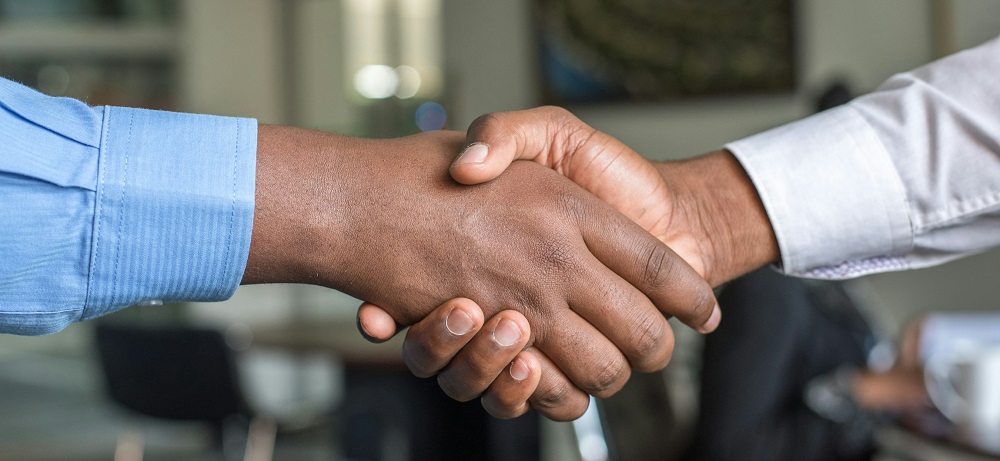
Another thing that may take some getting used to is the formality with which the locals greet new people. A handshake is the common greeting between new acquaintances, and you should always use someone’s surname preceded by either Monsieur or Madame until told otherwise.
Locals may be extremely quiet and reserved initially, but once a relationship is established, they tend to open up. Greeting with hugs and three kisses on the cheeks is generally reserved for close friends and family.
Cultural etiquette in Luxembourg
There are a few other social norms that may be different from your home country. Family is extremely important in Luxembourg, and many locals never leave their hometown and live near family their entire lives. Families are close, and parents generally help with raising grandchildren and continue to help with the decision-making for their adult children.
Privacy is also highly valued in Luxembourg, so it may take some time for expats to become friends with locals. Personal matters are generally only discussed with one’s family, and asking personal questions may be seen as overstepping. If you open up about your issues, it could also be viewed by locals as spoiling a good time.
Mealtimes are formal occasions in Luxembourg, and when invited to the home of a local, dining etiquette should be taken seriously and protocol should be followed closely. Expats should only sit when instructed to do so, and all guests may only begin eating after the hostess begins. The host will generally give a toast, which a guest will reciprocate at a later stage. Elbows must never rest on the table, although hands must always be seen.