

Luxembourg is home to one of the best state-sponsored healthcare systems in Europe. All legal residents can access it for free or at subsidised rates. Although public healthcare in Luxembourg is excellent, private healthcare is also an option.
Public healthcare in Luxembourg
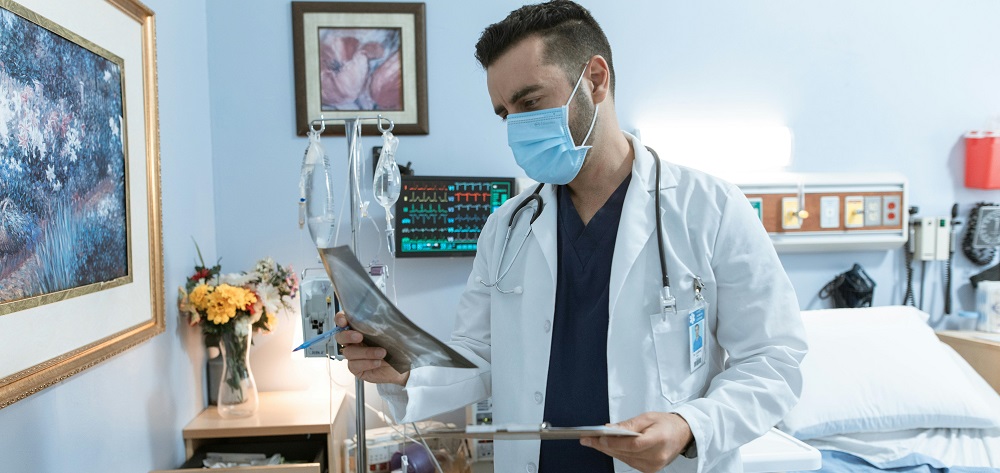
Public healthcare in Luxembourg is first-rate, and those moving to the country will find that hospitals and clinics are well-equipped and the standard of care is exceptional. Citizens and employed expats can access medical treatment for free or at highly subsidised rates by making monthly contributions to the country’s social security system.
Under the state system, you can choose a doctor, specialist, and hospital. Basic coverage offered includes most GP and specialist treatments, laboratory tests, prescriptions, and hospitalisation.
Private healthcare in Luxembourg
All hospitals in Luxembourg are public facilities. That said, some doctors and specialists exclusively provide private care. If you'd like to access private practitioners, it's advisable to take out a private health insurance policy, as treatment can be incredibly expensive.
Thanks to Luxembourg's high quality of public healthcare, most residents use this system only, but some may take out additional private insurance to cover treatments not covered by the state insurance.
Health insurance in Luxembourg
All employed and self-employed expats in Luxembourg can sign up for state healthcare. They must register at the Joint Centre for Social Security (CCSS). An expat’s employer will generally do this for them, but self-employed individuals must do this themselves.
Once registered, you will receive your social security card, which must be presented when receiving medical treatment. Expats must also make a compulsory monthly contribution towards the state healthcare system, which will be automatically deducted from their salary.
State healthcare funds about 84 percent of treatment costs, the remainder of which must be paid by the patient. Many expats and locals have additional private health insurance to supplement the coverage received by the state.
Useful links
Pharmacies and medicine in Luxembourg
Pharmacies are easy to find in Luxembourg and can be identified by a large green cross. Most pharmacies are open during shopping hours only, but a duty pharmacy will always be available outside these hours.
The state typically covers around 80 percent of the costs of prescription medication. You may have to pay 60 percent of the cost of non-essential medication, but if your doctor prescribes these medicines, you may get at least a portion of the cost reimbursed by your insurer. That said, non-prescription medicine must be paid for in full.
Expats should have the generic name of any medication they take when coming to Luxembourg, as brand names can vary from country to country.
Health hazards in Luxembourg
There are no significant health hazards for those moving to Luxembourg to consider. Although air pollution levels in the country are considered under control, air pollution coming from neighbouring countries can be an issue. You're advised to maintain awareness of air quality forecasts and heed any warnings. Those moving to the rural areas should ensure they protect themselves adequately from bug bites, as these can spread diseases.
Vaccinations for Luxembourg

Expats moving to Luxembourg should ensure they have their routine vaccinations in order. These include vaccines for:
- influenza
- shingles
- chickenpox
- mumps and rubella (MMR)
There has also been an increase in measles and polio cases worldwide, so it's recommended that you get booster shots before travelling to Luxembourg. Other vaccinations necessary for entering Luxembourg are the hepatitis A and B shots. If you'll be working with animals, getting a rabies vaccine is also advisable.
Emergency services in Luxembourg
In the case of an emergency, you can dial the European emergency number 112. Most operators on this line will be able to speak English. Ambulances in Luxembourg aren’t always staffed with paramedics, so if faced with a life-threatening situation, you should ensure you ask for a SAMU (Le Service D'Aide Médicale Urgente). An ambulance with a doctor on board will then be dispatched.
Most large hospitals have an emergency department that provides treatment free of charge for those with or without state healthcare. Outside general work hours, the hospitals with emergency departments generally rotate duties. The schedule for on-duty emergency rooms can be found in local newspapers, pharmacies, hospitals, and doctors’ offices.