

Depending on your nationality, you may require a visa to enter Luxembourg for tourism or work purposes. Luxembourg is part of the Schengen area, so if you have an EU passport or you're from a visa-exempt country, you won’t need to apply for a visa. All other foreigners will need either a short- or long-stay visa to enter the country.
Short stay visas for Luxembourg
Short stay visas (a Visa C) for Luxembourg allow the holder to stay in the country for up to 90 days within a 180-day period. The requirements are slightly different for those planning to work in Luxembourg during the 90-day stay compared to those visiting for leisure.
If you are from a country that is not part of the EU or on the visa-exempt list and are travelling to Luxembourg for leisure, you must apply for a Schengen visa before arriving in the country. You will have to submit your application at the Luxembourg consulate in your home country.
If you're planning to visit more than one Schengen country, then you must apply for a visa at the consulate of the country you will spend the most time in. If the duration of travel is the same for each country you will be visiting, you must apply for the visa at the consulate of the country you will enter first.
Those who wish to work in Luxembourg during their stay will need a work visa. To get a work visa, they will need a job offer from a Luxembourg organisation.
Useful links
Long stay visas for Luxembourg
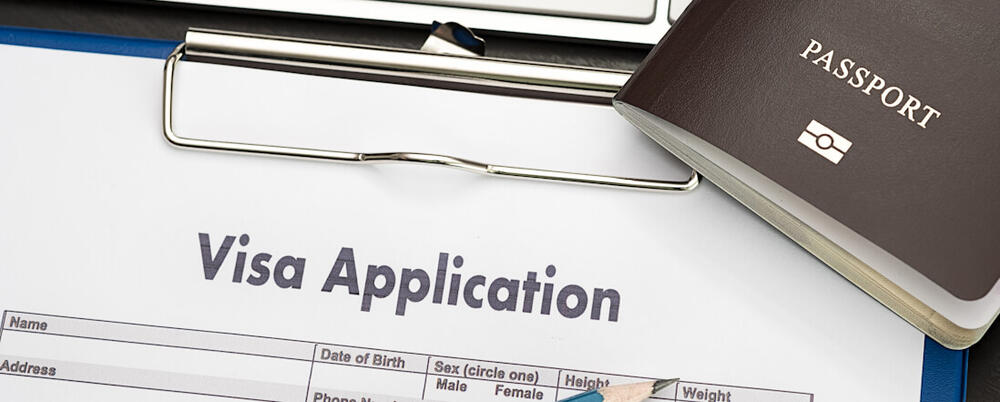
Long stay visas (visa D) allow foreigners to stay in Luxembourg for longer than 90 days. The first step to getting a Visa D for Luxembourg is to apply for a temporary Authorisation to Stay at the Immigration Directorate of the Luxembourg Ministry of Foreign and European Affairs in their home country. Within 90 days of applying for this, you must submit your long stay Visa D application at the Luxembourg consulate in your home country. Once granted, the visa is generally valid for between 90 days and one year.
If you wish to work in Luxembourg during this period, you must have a valid employment contract from an organisation in Luxembourg attached to their authorisation-to-stay application. Expats can only be employed in Luxembourg if there are no suitable candidates registered with the Agency for the Development of Employment (ADEM) to fill the position.
You must declare your arrival in Luxembourg within three days of entering the country, undergo a health check, and then apply for a residence permit for workers.
Residence permits for Luxembourg
Residence permits for Luxembourg must be applied for with the Immigration Directorate of the Ministry of Foreign and European Affairs. Once the application is approved, you will be invited to make an appointment with the Immigration Directorate to get your photograph and fingerprints taken. You will then receive your residence permit in the form of a chip card, which will include your work permit.
Residence permits are generally valid for one year, after which they can be renewed.
Useful links
*Visa requirements can change at short notice, and expats should contact their respective embassy or consulate for the latest details.